
Why Is Community Needed for Healing From Cognitive Decline?
Last Updated: December 2025
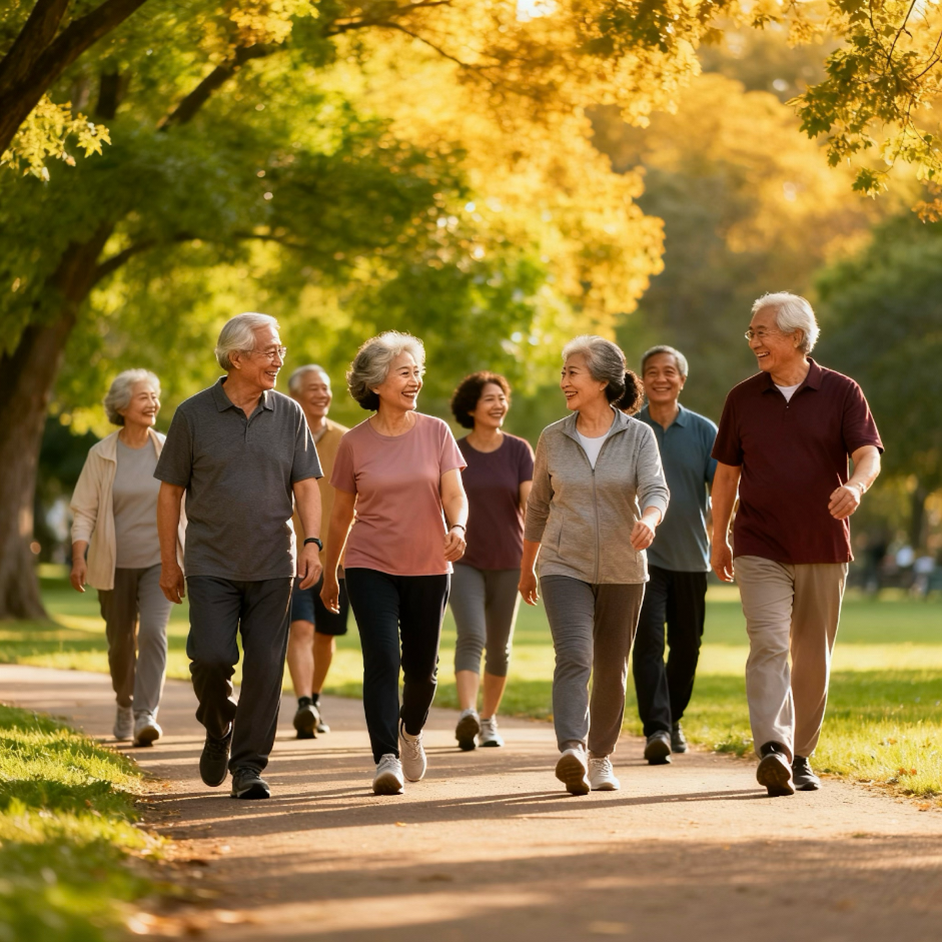
Dr. Jessica Knape of HealthSpan Internal Medicine in Boulder, CO, explains how social connection directly supports cognitive resilience. She emphasizes that healing the brain is not just about nutrition or medication — community and meaningful relationships are essential for brain growth, adaptation, and recovery.
Healing the brain isn’t just about what you eat or the medications you take — it’s also about who you’re with.
Decades of neuroscience and behavioral medicine research confirm that social connection plays a direct, measurable role in cognitive resilience.
At HealthSpan Internal Medicine in Boulder, CO, we often tell patients: no one heals alone. Community is the context in which the brain grows, adapts, and recovers.
1. The Brain Is a Social Organ
From birth, the human brain is designed for connection. Every thought, emotion, and behavior is shaped by our interactions with others.
When we engage socially, our brains release oxytocin, serotonin, and dopamine — neurochemicals that strengthen neural networks, reduce stress, and enhance memory.
Social connection literally builds brain tissue by stimulating communication between neurons.
In contrast, isolation shrinks these same networks and raises inflammation, accelerating cognitive decline.
2. Connection Reduces Stress and Inflammation
Chronic stress and loneliness trigger cortisol and inflammatory cytokines, which impair the hippocampus — the brain’s memory center.
Meaningful social contact does the opposite:
Lowers cortisol
Improves heart rate variability (a measure of nervous system resilience)
Reduces C-reactive protein (CRP) and IL-6
Strengthens immune and vascular function
These biological changes directly protect the brain from further injury and degeneration.
3. Community Stimulates the Brain
Healing from cognitive decline requires more than medical treatment — it requires mental activation.
Social engagement provides this naturally through conversation, laughter, and shared activity.
When you interact with others, you exercise:
Language centers (Broca’s and Wernicke’s areas)
Memory and attention networks
Executive function (planning, empathy, and response flexibility)
Simply talking, teaching, or listening to others acts like “brain aerobics,” keeping neurons firing and synapses growing.
4. Emotional Connection Rebuilds Motivation
Cognitive decline can lead to withdrawal, apathy, and depression — all of which worsen brain function.
Community helps reverse that spiral by restoring purpose and engagement.
When patients feel seen, useful, or connected, their brains re-engage the dopaminergic “reward” circuits that drive curiosity and motivation — the very pathways that decline in early dementia.
At HealthSpan, we often encourage group-based programs — shared meals, exercise classes, or support groups — because healing is amplified when done together.
5. Shared Meaning Builds Resilience
Healing from cognitive decline isn’t only biological; it’s emotional and spiritual.
Community provides shared meaning — a sense that one’s life and struggles matter.
Studies in aging populations show that purpose and belonging reduce dementia risk as powerfully as diet or exercise.
Purpose isn’t abstract — it’s often found in small acts:
Helping others
Telling family stories
Creating art or music
Volunteering or mentoring
Purpose keeps the brain’s frontal networks active and engaged.
6. Caregivers Need Community, Too
Healing doesn’t happen in isolation for families either. Caregivers face enormous stress that can lead to burnout and depression.
Support groups, counseling, and respite care restore emotional capacity — enabling caregivers to stay patient, positive, and effective.
When caregivers are supported, outcomes improve for everyone.
7. The Science Is Clear
Large studies from the NIH, Harvard, and the Alzheimer’s Association all agree:
Social engagement slows cognitive decline.
Loneliness and isolation increase dementia risk by up to 50%.
People with strong social networks have better memory, mood, and quality of life — even with the same level of brain pathology.
Community doesn’t just feel good — it’s neuroprotective.
8. Building Community in Healing
Community doesn’t have to mean large gatherings. It can be as simple as:
Weekly phone calls with a friend.
Joining a walking or book club.
Attending memory café or brain fitness groups.
Volunteering in small, meaningful ways.
Participating in family meals or intergenerational activities.
Healing happens through presence — consistent, compassionate contact over time.
Bottom Line
No pill or supplement can replace the healing power of connection.
Community regulates stress, restores energy, and stimulates the brain’s repair pathways.
At HealthSpan Internal Medicine, we believe that medicine begins with relationship — between doctor and patient, between families, and within communities.
The more connected you feel, the more your brain can heal.
Schedule a Brain & Social Health Optimization Evaluation with Dr. Knape to assess how your social environment and community involvement are influencing your cognitive health, identify opportunities to strengthen connection and engagement, and develop a personalized plan that supports both brain resilience and wellbeing.
Ready to take action for your brain health?
👉 Join the 12-week Brainspan Bootcamp and start building lifelong brain resilience
Sources
Influence of Social Support on Cognitive Function in Older Adults — SpringerLink
Community Support Improves Cognitive Function in the Elderly — PubMed
Social Support and Cognitive Function in Older Adults (ARIC Study) — OUP Academic
Social Networks & Cognitive Decline in Older People — PubMed
Family and Community Support Linked to Better Cognitive Performance — PubMed
Medically reviewed by
Dr. Jessica Knape, MD, MA Board Certified in Internal Medicine and Integrative and Holistic Medicine
Healthspan Internal Medicine — serving patients in Boulder, CO
Book a Discovery Call | About Dr. Knape
This content is for educational purposes and does not replace personalized medical advice.
