
What Is Hyperbaric Oxygen Therapy and How Does It Help With Brain Health?
Last Updated: November 2025
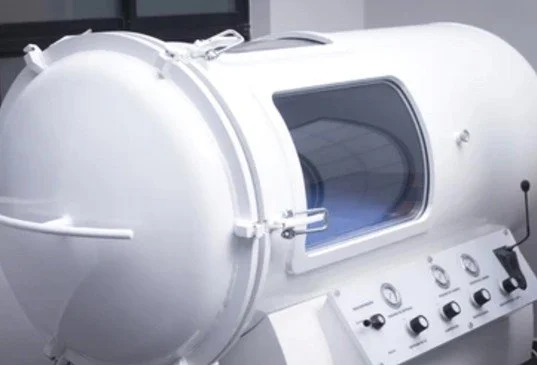
In this FAQ, Dr. Jessica Knape of HealthSpan Internal Medicine in Boulder, CO, explains how hyperbaric oxygen therapy (HBOT) can support brain repair and cognitive health by increasing oxygen delivery to healing tissues. Used alongside the ReCODE Protocol and personalized metabolic and genomic care, HBOT serves as a complementary tool in a comprehensive approach to cognitive decline.
Hyperbaric oxygen therapy (HBOT) is a medical treatment where a person breathes 100% oxygen inside a pressurized chamber. This increased pressure allows significantly more oxygen to dissolve into the bloodstream and reach tissues that may be damaged, inflamed, or receiving poor blood flow. While HBOT is commonly known for treating wounds, carbon monoxide poisoning, or diving injuries, growing evidence shows that it may also support brain repair, neuroplasticity, and cognitive health.
At HealthSpan Internal Medicine in Boulder, CO, I (Dr. Jessica Knape) use HBOT as part of a comprehensive, root-cause approach for patients with cognitive decline. HBOT is not a standalone cure, but it can be a powerful tool when used in combination with the ReCODE Protocol, genomics, metabolic repair, toxin reduction, and lifestyle interventions.
Here’s what HBOT is, how it works, and why it may help the brain heal.
Summary
HBOT delivers high levels of oxygen to the brain, supporting healing and reducing inflammation.
It improves blood flow, increases mitochondrial energy, and stimulates neuroplasticity.
Research shows benefits for cognitive decline, post-TBI recovery, long-COVID brain fog, vascular dementia, and chronic inflammation.
HBOT can support stem cell activity and tissue repair.
It’s generally safe but requires screening for contraindications.
Works best as part of a comprehensive, personalized brain-health plan like ReCODE.
Key Points
HBOT increases oxygen delivery to underperfused or inflamed brain regions.
Promotes neuroplasticity, angiogenesis, and repair.
Reduces neuroinflammation and oxidative stress.
Helps with TBI, memory issues, brain fog, and metabolic/vascular cognitive decline.
Personalized genomics (IntellxxDNA) enhances safety and targeting.
Not a cure—best used as part of ReCODE and whole-person care.
What Is Hyperbaric Oxygen Therapy?
Hyperbaric oxygen therapy involves sitting or lying inside a pressurized chamber while breathing pure oxygen. The treatment typically lasts 60–90 minutes. During the session, air pressure in the chamber is increased to 1.5–2.0 ATA (atmospheres absolute), allowing oxygen to dissolve at a much higher concentration into the blood plasma.
Under normal conditions, oxygen travels bound to red blood cells. Under hyperbaric pressure, oxygen also dissolves directly into the plasma—allowing it to reach tissues where blood flow may be reduced due to injury, inflammation, vascular disease, or metabolic dysfunction.
HBOT is FDA-approved for several conditions and increasingly studied for neurological and cognitive disorders.
How HBOT Helps the Brain: Key Mechanisms
HBOT supports brain healing through several well-documented biological mechanisms.
1. Increases Oxygen Delivery to Hypoxic or Injured Brain Regions
Many cognitive issues—especially those related to aging, vascular disease, trauma, and long-standing inflammation—stem from reduced oxygen availability, or “hypoxia.”
HBOT increases oxygen delivery by:
Boosting plasma oxygen levels
Improving oxygen diffusion into tissues
Supporting damaged microcirculation
Research from Tel Aviv University shows that HBOT can improve cerebral blood flow and cognitive performance in older adults.
Source: https://www.ncbi.nlm.nih.gov/pmc/articles/PMC8423449/
2. Supports Neuroplasticity and Cognitive Recovery
HBOT stimulates the brain’s ability to grow new neural connections, a process known as neuroplasticity.
Studies show HBOT can:
Improve memory
Enhance information processing
Strengthen attention and executive function
Support recovery after brain injury
3. Reduces Neuroinflammation
Chronic inflammation disrupts brain signaling and contributes to Alzheimer’s, brain fog, long-COVID, and mood disorders. HBOT has strong anti-inflammatory effects:
Lowers inflammatory cytokines
Reduces microglial overactivation
Supports antioxidant pathways
Improves gut–brain and immune–brain signaling
4. Enhances Mitochondrial Function
Mitochondria produce the energy (ATP) that neurons rely on. Oxygen is the final electron acceptor in ATP production, and HBOT significantly increases oxygen availability.
HBOT may:
Improve energy metabolism
Support cognitive clarity
Enhance resilience to oxidative stress
Improve fatigue associated with long-COVID
5. Stimulates Angiogenesis (New Blood Vessel Formation)
HBOT triggers controlled oxidative stress that stimulates growth factors such as VEGF, which promote angiogenesis.
This may:
Improve blood flow to damaged brain regions
Support long-term cognitive repair
Beneficial especially in vascular cognitive impairment
6. Increases Stem Cell Activity and Tissue Repair
Hyperbaric oxygen increases circulating stem cells, enhancing tissue regeneration.
This can support recovery from:
Traumatic brain injury
Stroke
Chronic inflammation
Long-term cognitive decline
How HBOT Helps With Cognitive Decline
Based on current research, HBOT appears most helpful for people with:
Mild cognitive impairment (MCI)
Vascular dementia
Post-inflammatory cognitive decline
Post-TBI cognitive issues
Long-COVID brain fog
Toxic or metabolic contributors to cognitive decline
In the Alzheimer’s field, HBOT may support:
Better oxygenation of at-risk brain regions
Reduced inflammation
Improved neuronal energy production
Enhanced neuroplasticity
Vascular repair
When combined with the ReCODE Protocol, HBOT can accelerate improvement by supporting the metabolic and vascular pathways critical for brain repair.
How HBOT Fits Into ReCODE and Precision Medicine
At HealthSpan Internal Medicine, HBOT is integrated into a comprehensive brain-health plan based on:
Advanced labs
IntellxxDNA genomics
Hormone evaluation
Toxin and inflammation testing
Vascular assessments
Sleep optimization
Personalized nutrition
Mitochondrial support
Cognitive training
HBOT amplifies the work already being done in these systems.
Safety Considerations and Who Should Avoid HBOT
HBOT is generally safe but not appropriate for everyone.
Contraindications include:
Untreated pneumothorax
Certain types of ear or sinus issues
Recent chest trauma
Some chemotherapy medications
Severe COPD with CO₂ retention
Relative contraindications (require careful evaluation):
Upper respiratory infections
Eustachian tube dysfunction
Seizure disorders
Claustrophobia
A thorough medical evaluation is essential before beginning therapy.
What Patients Typically Experience
Many patients report:
Clearer thinking
Better energy
Improved mood
Sharper memory
Faster processing
Better sleep
Multiple sessions (20–60) are usually needed for sustained benefit.
Curious if HBOT could support your brain recovery or cognitive health?
Schedule a Brain Repair & HBOT Discovery Call with Dr. Knape to determine whether hyperbaric therapy fits into your personalized BrainSpan or recovery plan.
👉 Book your Discovery Call today
Ready to take action for your brain health?
👉 Join the 12-week Brainspan Bootcamp and start building lifelong brain resilience
Sources
Medically reviewed by
Dr. Jessica Knape, MD, MA Board Certified in Internal Medicine and Integrative and Holistic Medicine
Healthspan Internal Medicine — serving patients in Boulder, CO
Book a Discovery Call | About Dr. Knape
This content is for educational purposes and does not replace personalized medical advice.
