
What Does Heavy Metals Toxicity Have to Do With Cognitive Decline?
Last Updated: November 2025
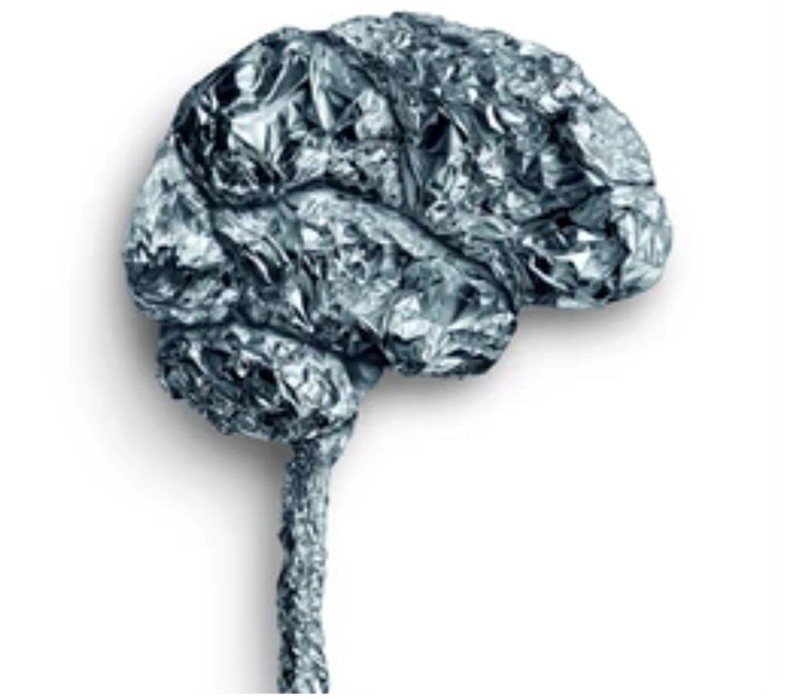
In this FAQ, Dr. Jessica Knape of HealthSpan Internal Medicine in Boulder, CO, explains how heavy metal toxicity can be an overlooked driver of cognitive decline. As a ReCODE 2.0 Certified Practitioner, she uses targeted testing to identify toxic exposures—especially those linked to Type 3 Alzheimer’s—and incorporates personalized treatment to support clearer, healthier brain function.
Heavy metal toxicity is one of the most overlooked contributors to cognitive decline. While most people associate memory loss or dementia with aging, genetics, or Alzheimer’s pathology, many don’t realize that chronic low-level exposure to heavy metals can damage the brain for years before symptoms appear. These metals can trigger inflammation, deplete antioxidants, disrupt hormones, impair mitochondrial function, and interfere with neurotransmission — all processes essential for healthy cognition.
As a ReCODE 2.0 Certified Practitioner with more than 10 years of memory-care experience, Dr. Jessica Knape routinely evaluate heavy metals in patients with cognitive concerns. In the ReCODE model, heavy metals commonly drive Type 3 (toxic) Alzheimer’s, which often presents with anxiety, brain fog, word-finding issues, dizziness, insomnia, and executive-function impairments. Without targeted testing, this root cause is easily missed.
Here’s how heavy metals affect the brain and why identifying and treating them can make a significant difference in cognitive health.
Brainspan Brief
Heavy metals (mercury, lead, arsenic, cadmium, aluminum, copper imbalance) can damage the brain.
They trigger neuroinflammation, oxidative stress, and mitochondrial dysfunction.
Metals impair memory, processing speed, attention, mood, and sleep.
Chronic low-level exposure often goes unnoticed without advanced testing.
Genomic factors (via IntellxxDNA) influence detox capacity and vulnerability.
ReCODE includes heavy-metal evaluation because metals can drive toxic Alzheimer’s.
Safe detox requires medical oversight — aggressive chelation can worsen symptoms.
Key Points
Metals cross the blood-brain barrier and accumulate in neural tissue.
They disrupt mitochondrial energy, hormones, neurotransmitters, and immune signaling.
Exposure can come from water, food, dental amalgams, environment, and occupation.
Toxic buildup often causes inflammation-driven cognitive symptoms.
Precision detoxification can stabilize or improve cognitive function.
How Heavy Metals Affect the Brain
Heavy metals are neurotoxic, meaning they can directly harm brain cells. Here’s how they contribute to cognitive decline:
1. Heavy Metals Trigger Neuroinflammation
Chronic inflammation is one of the strongest predictors of cognitive decline. Metals such as mercury, lead, and aluminum activate microglia, the brain’s immune cells, causing them to release inflammatory cytokines.
This inflammation:
Damages neurons
Impairs connectivity
Disrupts synaptic signaling
Accelerates brain aging
Studies confirm that neuroinflammation is a core mechanism of Alzheimer’s disease and toxin-driven cognitive decline.
2. Metals Create Oxidative Stress
Heavy metals generate reactive oxygen species (ROS), overwhelming the brain’s antioxidant defenses.
Oxidative stress:
Damages cell membranes
Impairs neuron signaling
Injures mitochondria
Accelerates amyloid and tau pathology
Low antioxidant levels (e.g., glutathione) make the brain more vulnerable.
3. Heavy Metals Impair Mitochondrial Function
Mitochondria produce the energy the brain relies on for thinking, memory, and repair. Metals interfere with mitochondrial enzymes, reducing ATP production.
This causes:
Brain fog
Slowed processing
Memory lapses
Fatigue
Reduced resilience under stress
This mechanism is especially strong in individuals with genetic vulnerabilities in mitochondrial pathways (identified through IntellxxDNA).
4. Metals Interfere With Neurotransmitters
Heavy metals disrupt neurotransmitters such as:
Acetylcholine (memory)
Dopamine (motivation, attention)
Serotonin (mood, sleep)
GABA (calmness, focus)
Mercury, for example, binds to sulfhydryl groups essential for neurotransmitter synthesis, leading to emotional instability and cognitive symptoms.
5. Metals Disrupt Hormones and the Endocrine System
Hormones like thyroid, cortisol, estrogen, testosterone, and insulin all influence cognitive health. Heavy metals interfere with hormone receptors and signaling pathways.
This can lead to:
Thyroid dysfunction
Adrenal stress
Estrogen metabolism issues
Insulin resistance
All of these are known contributors to cognitive decline.
The Most Common Heavy Metals Linked to Cognitive Decline
1. Mercury
Sources:
Dental amalgams
High-mercury fish
Skin creams
Occupational exposure
Mercury is strongly associated with neuroinflammation and mitochondrial dysfunction.
2. Lead
Sources:
Older homes
Water pipes
Soil
Cosmetics
Imported goods
Lead exposure is associated with lower cognitive performance and accelerated brain aging.
3. Arsenic
Sources:
Contaminated well water
Rice
Seafood
Certain pesticides
Arsenic affects neuronal signaling and increases oxidative stress.
4. Cadmium
Sources:
Cigarette smoke
Industrial exposure
Contaminated soil and food
Cadmium disrupts calcium channels critical for learning and memory.
5. Aluminum
Sources:
Cookware
Antacids
Antiperspirants
While research is mixed, aluminum accumulates in the brain and is found in higher levels in some Alzheimer’s patients.
6. Copper Imbalance
Important distinction:
Copper itself is essential — but copper imbalance (high copper/low zinc ratio) is associated with oxidative stress and cognition issues.
Why Testing Is Essential
Heavy metal toxicity is often invisible. Symptoms look like:
Brain fog
Memory problems
Anxiety
Fatigue
Sleep problems
Word-finding issues
Sensory sensitivities
Conventional labs often miss chronic, low-level burden.
In ReCODE, we use:
Blood tests
Urine toxic metals assessments
Targeted functional labs
Genomic markers (IntellxxDNA) for detox pathways
Genomics is especially important because some people detox metals poorly due to variants in:
GST
SOD
GPX
Metallothionein
Methylation pathways
These individuals may accumulate metals even from small exposures.
Heavy Metals and Type 3 (Toxic) Alzheimer’s
Dr. Dale Bredesen’s research identifies Type 3 Alzheimer’s as toxin-driven cognitive decline. This pattern is often seen in people with:
Younger onset symptoms
Unusual neurological features
Mood changes
Dysautonomia
Brain fog more than memory issues
Sleep disruption
Dizziness or sensory sensitivity
Identifying toxic contributors early is critical for reversing or stabilizing this subtype.
Safe Detoxification: Why Medical Oversight Matters
Detoxing heavy metals is not a DIY process.
Aggressive chelation or improper supplement use can:
Mobilize metals too quickly
Overwhelm the body
Worsen symptoms
Create dangerous shifts in electrolytes or minerals
Detox must be:
Gradual
Personalized
Evidence-informed
Based on labs and genomics
Monitored by a trained clinician
At HealthSpan Internal Medicine, detoxification is integrated into a broader ReCODE-based plan to ensure safety and effectiveness.
Can Removing Heavy Metals Improve Cognitive Function?
Yes — many patients experience:
Clearer thinking
Better focus
Improved sleep
Reduced anxiety
Better mood stability
Improved memory
Less brain fog
This is especially true when detox is combined with dietary optimization, metabolic repair, hormone balancing, and anti-inflammatory strategies.
Concerned that heavy metal exposure may be affecting your memory or brain clarity?
Schedule a Root-Cause Brain & Toxin Evaluation with Dr. Knape to assess heavy metals, inflammation, detox pathways, and cognitive risk.
👉 Book your Discovery Call today.
Ready to take action for your brain health?
👉 Join the 12-week Brainspan Bootcamp and start building lifelong brain resilience
Sources
Medically reviewed by
Dr. Jessica Knape, MD, MA Board Certified in Internal Medicine and Integrative and Holistic Medicine
Healthspan Internal Medicine — serving patients in Boulder, CO
Book a Discovery Call | About Dr. Knape
This content is for educational purposes and does not replace personalized medical advice.
