
What Is Andropause — and How Does It Affect Men’s Brain and Body Health?
Last Updated: November 2025
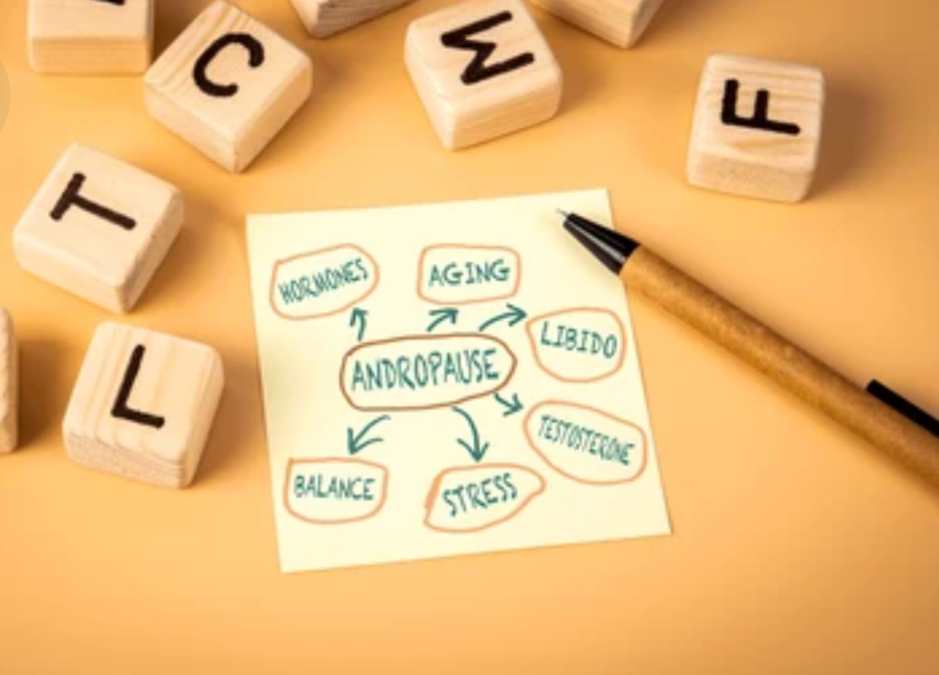
In this FAQ, Dr. Jessica Knape of HealthSpan Internal Medicine in Boulder, CO, explains andropause—the gradual hormonal shift in men that affects energy, mood, cognition, and metabolic health. She frames it not as a disease but as a metabolic transition that, when properly addressed, can support healthier aging and renewed vitality.
Most people know about menopause — the natural transition when women’s reproductive hormones decline.
But few realize men experience a similar change, often more gradually, called andropause.
Andropause is sometimes described as “male menopause,” but it’s not a sudden stop — it’s a slow hormonal drift that affects energy, focus, muscle strength, mood, and even brain function.
At HealthSpan Internal Medicine in Boulder, CO, we view andropause not as a disease, but as a metabolic transition — a shift in testosterone, DHEA, thyroid, and mitochondrial function that can either accelerate aging or signal an opportunity for renewal.
HealthSpan Insight
Andropause is the gradual decline in testosterone and other hormones in men, typically starting after age 40.
It affects metabolism, mood, and cognitive health — not just libido.
Restoring hormone balance can protect the brain, heart, and muscle longevity.
1. What Is Andropause?
Andropause refers to the age-related drop in testosterone, DHEA, and related hormones that begins in most men between ages 35 and 50.
Unlike menopause, which occurs over a few years, andropause progresses slowly — about a 1% drop in testosterone per year after age 30.
This decline doesn’t just affect sexual health.
Testosterone and DHEA act on nearly every system in the body: brain, heart, bones, muscles, and immune cells.
When levels fall, men often notice:
Low energy or motivation
Brain fog or slower thinking
Loss of muscle and strength
Weight gain (especially belly fat)
Low mood, anxiety, or irritability
Decreased libido or erectile strength
Poor sleep and recovery
Many men describe it as “losing their edge.”
2. How Testosterone Supports the Brain and Body
Testosterone is far more than a sex hormone — it’s a neuroprotective and metabolic regulator.
In the brain, testosterone:
Increases dopamine and serotonin, improving mood and drive
Enhances blood flow and oxygen delivery
Supports hippocampal function (memory and focus)
Reduces inflammation and oxidative stress
In the body, it:
Builds and preserves lean muscle
Increases bone density
Regulates blood sugar and insulin sensitivity
Supports heart and vascular health
When testosterone falls, the brain and body lose this critical support — accelerating inflammaging, fatigue, and cognitive dulling.
3. The Hormonal Web: It’s Not Just Testosterone
Andropause involves more than just testosterone. Other hormones shift, too:
DHEA: The “youth hormone,” precursor to testosterone and estrogen. Low levels cause fatigue and poor stress tolerance.
Pregnenolone: The “mother hormone,” essential for memory and neurosteroid balance.
Thyroid: Often slows with age, reducing metabolism and mood stability.
Cortisol: May rise from chronic stress, suppressing testosterone and brain repair.
Estrogen (in men): Can increase when testosterone is low, leading to emotional swings, fatigue, and inflammation.
These hormones interact in a delicate cascade. Optimizing one without understanding the others can backfire — which is why a full hormone panel is essential.
4. The Brain Effects of Andropause
The brain depends on testosterone for neuroplasticity — the ability to form new connections and adapt.
When testosterone drops, several changes can occur:
Reduced motivation and drive: Dopamine pathways weaken, affecting goal-directed behavior.
Depressed mood or irritability: Low testosterone reduces serotonin tone and GABA balance.
Brain fog: Lower nitric oxide and mitochondrial function reduce oxygen flow and mental clarity.
Sleep disturbance: Testosterone helps maintain deep, restorative sleep cycles.
Memory decline: Chronic low levels correlate with higher Alzheimer’s risk.
Multiple studies now link low testosterone to faster cognitive decline, vascular dementia, and depression in aging men.
5. The Metabolic and Inflammatory Impact
Andropause often overlaps with metabolic syndrome — high blood sugar, high triglycerides, and central obesity.
As testosterone falls:
Fat mass increases, especially visceral fat.
Inflammation rises (via IL-6 and CRP).
Insulin sensitivity drops.
The liver accumulates fat (non-alcoholic fatty liver disease).
This metabolic dysfunction feeds directly into inflammaging — the chronic, low-grade inflammation that drives brain aging and fatigue.
6. Diagnosing Andropause
Diagnosis starts with symptoms and is confirmed through lab testing.
Typical findings include:
Low total testosterone (<400 ng/dL)
Low free testosterone (<10 ng/dL)
Elevated SHBG (sex hormone binding globulin)
Low DHEA-S
Normal or slightly elevated estradiol
Possible thyroid or cortisol imbalance
At HealthSpan, we go beyond standard labs by assessing free hormone levels, adrenal rhythm, and metabolic markers — providing a more complete picture of hormonal aging.
7. Restoring Balance: Testosterone Therapy and Beyond
Bioidentical testosterone therapy (TRT) can be life-changing when done safely and individually.
Options include:
Topical creams or gels: Convenient, steady absorption.
Injections (cypionate/enanthate): More direct dosing.
Pellets or patches: Longer-acting delivery systems.
Therapy should aim to restore physiologic levels (600–900 ng/dL) — not “superphysiologic” bodybuilder doses.
Monitoring includes:
Estradiol (E2) levels
PSA and hematocrit
Liver function and lipid profile
Symptom tracking and quality-of-life metrics
But hormone therapy is only one part of the plan.
8. Natural Strategies to Support Healthy Testosterone
Whether or not testosterone therapy is used, the foundation of hormonal vitality is lifestyle:
Strength training: Boosts testosterone and mitochondrial efficiency.
Adequate sleep (7–9 hours): Testosterone peaks during deep sleep.
Balanced nutrition: High-quality protein, omega-3s, zinc, magnesium, and vitamin D.
Stress reduction: Chronic cortisol suppresses testosterone production.
Healthy weight: Even a 10% fat loss can raise testosterone significantly.
Limit alcohol and plastics: Both increase estrogenic compounds that block androgen receptors.
In some cases, supporting DHEA or pregnenolone naturally helps rebuild the entire hormonal cascade.
9. Brainspan and Andropause: Why It Matters
Andropause isn’t just about libido — it’s about neuroendocrine resilience.
When testosterone, thyroid, and DHEA decline, neurons lose their metabolic fuel.
Inflammation rises, circulation drops, and cognitive performance suffers.
By restoring hormonal balance, we’re not only improving quality of life — we’re slowing brain aging.
Healthy testosterone levels are associated with:
Improved verbal memory and executive function
Lower risk of Alzheimer’s disease
Better sleep and mood stability
Enhanced motivation and social connection
Andropause, in other words, is the brain’s invitation to recalibrate vitality.
10. Bottom Line
Andropause is a natural part of aging — but it doesn’t have to mean decline.
It’s the body’s signal to rebalance hormones, reduce inflammation, and renew purpose.
Low testosterone and DHEA affect much more than sexual health — they shape how you think, feel, and age.
At HealthSpan Internal Medicine in Boulder, CO, we combine advanced hormone testing, nutrition, and personalized therapy to help men restore their vitality, protect their brains, and extend their Brainspan.
Andropause is more than low testosterone — it’s a whole-system shift.
Work with Dr. Knape to evaluate hormones, vascular risk, inflammation, sleep, and metabolism using advanced biomarkers and BrainSpan protocols.
👉 Reserve your Comprehensive Assessment.
Ready to take action for your brain health?
👉 Join the 12-week Brainspan Bootcamp and start building lifelong brain resilience
Sources:
Testosterone Decline & Aging in Men, Wu FC et al., The Lancet Diabetes & Endocrinology, 2020 — PMC
Testosterone, Cognition & Brain Aging in Men,Yeap BB et al., 2022 Review — PMC
Medically reviewed by
Dr. Jessica Knape, MD, MA Board Certified in Internal Medicine and Integrative and Holistic Medicine
Healthspan Internal Medicine — serving patients in Boulder, CO
Book a Discovery Call | About Dr. Knape
This content is for educational purposes and does not replace personalized medical advice.
