
How Does Brain Injury Contribute to Cognitive Decline?
Last Updated: November 2025
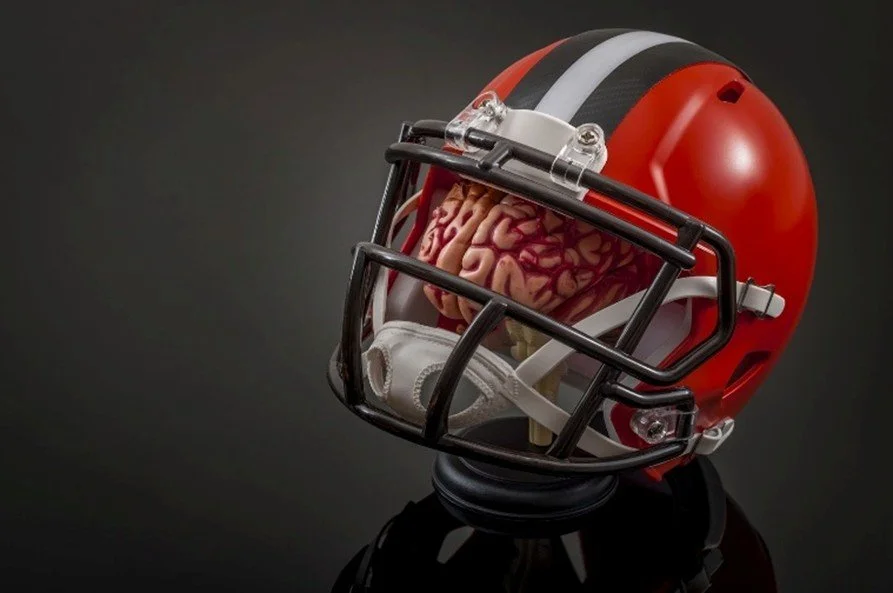
In this FAQ, Dr. Jessica Knape of HealthSpan Internal Medicine in Boulder, CO, explains how even mild head injuries can trigger long-lasting changes in brain metabolism, inflammation, and circulation. She highlights how untreated concussions can accelerate cognitive aging and why early, proactive care is essential for protecting memory and long-term brain health.
Not all cognitive decline begins with age. For many people, it begins with an injury.
Even a single concussion or head impact can set off changes in brain metabolism, inflammation, and circulation that persist for years.
This is especially true if the injury is underestimated or left untreated — a scenario we see often at HealthSpan Internal Medicine in Boulder, CO.
Understanding how brain injuries — even “mild” ones — accelerate aging and neurodegeneration helps patients take proactive steps to protect long-term memory, focus, and emotional health.
HealthSpan Insight
Brain injuries trigger inflammation, oxidative stress, and mitochondrial damage.
These effects can persist silently, increasing risk for depression, anxiety, and dementia.
Recovery depends on restoring circulation, energy metabolism, and neuroplasticity.
1. What Counts as a Brain Injury?
A traumatic brain injury (TBI) doesn’t have to mean a dramatic accident or loss of consciousness.
Common causes include:
Concussions from sports or falls
Whiplash injuries in car accidents
Repeated minor head impacts (e.g., cycling or contact sports)
Blast injuries or pressure waves (in veterans)
Hypoxic events (cardiac arrest, carbon monoxide exposure)
Even mild TBIs can cause microscopic damage that doesn’t appear on standard scans — yet still disrupts brain signaling and repair.
2. What Happens Inside the Brain After Injury
When the brain is jolted or deprived of oxygen, neurons stretch and shear, disrupting membranes and mitochondrial function.
This sets off a cascade of inflammation and energy failure:
Excitotoxicity: Excess glutamate floods neurons, overstimulating them.
Mitochondrial dysfunction: Energy production drops, leading to fatigue and oxidative stress.
Inflammation: Microglia (the brain’s immune cells) activate, releasing cytokines.
Barrier breakdown: The blood–brain barrier becomes “leaky,” letting toxins and immune molecules in.
Disconnection: Axonal pathways (white matter tracts) fray, disrupting communication between regions.
This chain reaction may last weeks to months — or become chronic if not properly resolved.
3. Why Cognitive Symptoms Can Linger
After a brain injury, patients often report:
Brain fog or slowed thinking
Word-finding difficulty
Short-term memory lapses
Fatigue or sensory overload
Mood swings or anxiety
Poor concentration under stress
These aren’t just psychological — they reflect real neurochemical shifts:
Decreased blood flow and oxygen (especially to the frontal lobes)
Impaired glucose utilization by neurons
Persistent low-grade inflammation
Hormonal changes (low testosterone, cortisol dysregulation, pituitary injury)
This cluster of metabolic and endocrine changes is sometimes called post-concussion syndrome (PCS).
4. Brain Injury and Long-Term Dementia Risk
Multiple studies now confirm that even mild TBI increases dementia risk later in life — especially if injuries are repeated or recovery is incomplete.
A Lancet Neurology study found that a single moderate TBI doubles the risk of developing dementia.
Repeated mild TBIs, such as in contact sports, raise the risk up to fourfold.
Imaging shows chronic microglial activation and reduced hippocampal volume years after the initial injury.
This chronic neuroinflammation and oxidative stress accelerate neurodegenerative processes — including amyloid buildup, tau tangles, and vascular dysfunction — the same pathways seen in Alzheimer’s and Parkinson’s disease.
5. The Role of Hormones After Brain Injury
One of the most overlooked consequences of TBI is pituitary injury — sometimes called post-traumatic hypopituitarism.
The pituitary gland, located at the base of the brain, regulates thyroid, cortisol, testosterone, and growth hormone.
Damage here can cause symptoms that mimic depression or chronic fatigue:
Low motivation or apathy
Muscle loss and weight gain
Poor sleep
Brain fog and low mood
Restoring hormonal balance — especially testosterone, DHEA, and thyroid — often dramatically improves cognition and recovery.
6. Neuroinflammation: The Invisible Injury
Long after the brain “looks healed” on imaging, microglia can stay activated — producing low-level inflammation that erodes neural connections.
This “neuroinflammatory residue” drives the same processes seen in inflammaging:
Oxidative stress
Vascular damage
Impaired detoxification and glymphatic flow
Reduced mitochondrial efficiency
This is why many TBI survivors experience fatigue, depression, or cognitive decline years later.
7. The Gut–Brain Connection in TBI Recovery
Brain injury also alters the gut microbiome — a phenomenon known as the gut–brain axis disruption.
Within days of a concussion, intestinal permeability increases, allowing bacterial fragments into circulation.
This creates a feedback loop: gut inflammation → systemic inflammation → worsened brain inflammation.
Restoring gut health — with probiotics, prebiotic fiber, and anti-inflammatory nutrition — can reduce cytokine levels and improve mental clarity.
8. How to Support Brain Repair After Injury
Recovery from brain injury involves reestablishing three key functions: oxygenation, energy, and neuroplasticity.
At HealthSpan, we use an integrative approach that combines:
A. Oxygenation and Circulation
Hyperbaric oxygen therapy (HBOT): Increases oxygen delivery, reduces inflammation, and supports angiogenesis.
Exercise with oxygen therapy (EWOT): Improves vascular flexibility and brain perfusion.
Photobiomodulation (red/near-infrared light): Stimulates mitochondrial repair in neurons.
B. Energy and Mitochondrial Support
Nutrients like CoQ10, acetyl-L-carnitine, alpha-lipoic acid, and magnesium threonate improve ATP production.
Ketogenic or MCT-based diets can fuel neurons during glucose dysfunction.
Creatine supports energy buffering and neuronal stability.
C. Neuroplasticity and Cognitive Rehab
Targeted brain exercises and vestibular therapy strengthen weak circuits.
Meditation, breathwork, and yoga improve autonomic balance.
Transcranial photobiomodulation enhances network synchronization.
D. Inflammation and Hormone Modulation
Optimize testosterone, thyroid, and cortisol.
Use anti-inflammatory nutrients like omega-3s, curcumin, and resveratrol.
Address sleep apnea or poor sleep hygiene — both worsen brain inflammation.
9. The Emotional Dimension: Connection and Recovery
Cognitive recovery isn’t only biological — it’s relational.
After injury, people often isolate, which worsens anxiety and depression.
Yet social connection, touch, and purpose directly stimulate oxytocin and neurogenesis — helping rebuild brain resilience.
At HealthSpan, we encourage patients to re-engage gently: community, laughter, nature, and creative work all promote healing.
10. Bottom Line
Brain injury is more than a momentary event — it’s a metabolic and inflammatory process that can unfold for years.
Without proper repair, the effects accumulate, increasing the risk of cognitive decline and dementia.
But the brain is remarkably adaptable.
Through oxygenation, hormonal balance, mitochondrial support, and targeted rehabilitation, recovery is not only possible — it’s measurable.
At HealthSpan Internal Medicine in Boulder, CO, we help patients recover from brain injuries and protect their lifelong BrainSpan — the years of clarity, vitality, and emotional balance that define true healthspan.
Brain injuries can disrupt hormones, inflammation pathways, mitochondrial function, and more.
Work with Dr. Knape to identify exactly which pathways are affecting your cognition and design a personalized plan for brain repair and long-term resilience.
👉 Schedule your Meet and Greet today
Ready to take action for your brain health?
👉 Join the 12-week Brainspan Bootcamp and start building lifelong brain resilience
Sources
Medically reviewed by
Dr. Jessica Knape, MD, MA Board Certified in Internal Medicine and Integrative and Holistic Medicine
Healthspan Internal Medicine — serving patients in Boulder, CO
Book a Discovery Call | About Dr. Knape
This content is for educational purposes and does not replace personalized medical advice.
