
What Does Gut Health Have to Do with Brain Health?
Last Updated: December 2025
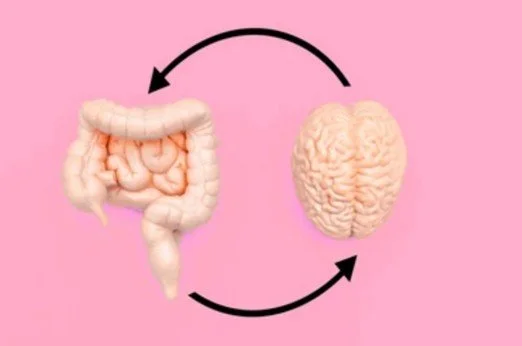
Dr. Jessica Knape of HealthSpan Internal Medicine in Boulder, CO, highlights how gut inflammation directly affects brain inflammation, explaining that the gut–brain axis plays a key role in mood, energy, and long-term cognitive health.
Most people think of the brain and gut as separate systems.
In reality, they’re in constant conversation — through nerves, hormones, immune messengers, and even microbial metabolites.
At HealthSpan Internal Medicine in Boulder, CO, we often say:
“When the gut’s inflamed, the brain is inflamed.”
The gut and brain form a dynamic network known as the gut–brain axis.
Supporting this system is one of the most powerful ways to reduce anxiety, depression, fatigue, and cognitive decline — and to restore true Brainspan.
HealthSpan Insight
Your gut and brain communicate constantly through the vagus nerve, immune system, and microbiome metabolites.
Gut inflammation or dysbiosis can directly drive anxiety, fatigue, and cognitive decline.
Healing the gut reduces brain inflammation, balances neurotransmitters, and improves focus and mood.
1. The Gut–Brain Axis: Your “Second Brain”
The gut contains over 100 million neurons — more than in the spinal cord — forming what scientists call the enteric nervous system (ENS).
It produces many of the same neurotransmitters as the brain: serotonin, dopamine, GABA, and acetylcholine.
This system connects to the brain through three primary channels:
The Vagus Nerve — a direct bidirectional nerve highway between the gut and brainstem.
The Immune System — inflammatory molecules (cytokines) travel from gut to brain, influencing mood and focus.
Microbial Metabolites — gut bacteria make short-chain fatty acids (SCFAs) and other chemicals that modulate brain activity.
Together, these form the gut–brain axis, a feedback system that regulates stress, emotion, cognition, and even sleep.
2. The Microbiome: A Hidden Organ of Brain Health
The gut microbiome — trillions of bacteria, fungi, and viruses living in the intestines — acts like a virtual endocrine organ.
A healthy microbiome produces:
Short-chain fatty acids (butyrate, propionate, acetate): fuel for intestinal and brain cells.
Neurotransmitters and precursors: serotonin, GABA, dopamine.
Anti-inflammatory compounds: which protect the blood–brain barrier.
When the microbiome becomes imbalanced — called dysbiosis — harmful bacteria release lipopolysaccharides (LPS), toxins that enter the bloodstream through a “leaky gut.”
These toxins activate immune cells and increase neuroinflammation, a major driver of depression, anxiety, and cognitive impairment.
3. How Gut Inflammation Affects the Brain
Chronic gut inflammation triggers brain inflammation through several mechanisms:
A. Leaky Gut → Leaky Brain
When the gut lining becomes permeable, LPS and inflammatory cytokines enter circulation.
These molecules cross the blood–brain barrier, making it leaky too — allowing further toxins and immune cells into the brain.
B. Microglial Activation
Microglia are the brain’s immune cells. Once activated, they release cytokines that impair neuronal signaling and reduce neuroplasticity.
Over time, this leads to brain fog, fatigue, and even neuron loss.
C. Mitochondrial Dysfunction
Inflammation and endotoxins impair mitochondria — the cell’s energy producers — causing fatigue and decreased mental clarity.
D. HPA Axis Disruption
The hypothalamic-pituitary-adrenal (HPA) axis regulates stress hormones.
Chronic gut inflammation overstimulates this axis, leading to cortisol imbalances and sleep disruption.
4. Gut–Brain Communication and Mood
The gut makes about 90% of the body’s serotonin, the neurotransmitter most associated with happiness and calm.
This serotonin doesn’t all enter the brain directly — but gut serotonin influences vagal tone, motility, and brain serotonin signaling.
Studies show that people with dysbiosis have:
Lower levels of GABA-producing bacteria (like Lactobacillus rhamnosus).
Higher levels of inflammatory species (Enterobacteriaceae, Clostridium difficile).
Reduced microbial diversity — linked to anxiety, depression, and fatigue.
Restoring gut health can therefore improve mental health outcomes as effectively as medication for some patients — without side effects.
5. The Gut–Brain Connection in Cognitive Decline
In neurodegenerative diseases like Alzheimer’s, Parkinson’s, and dementia, researchers now see a gut-first progression:
Gut dysbiosis increases systemic inflammation.
Bacterial toxins activate microglia and amyloid formation in the brain.
Constipation and poor motility reduce detoxification and worsen toxin load.
This has led to the term “the gut–brain axis of aging.”
Addressing gut health early may slow neuroinflammation and preserve cognition for decades.
6. The Vagus Nerve: Your Brain–Gut Superhighway
The vagus nerve is a long cranial nerve connecting the brainstem to the heart, lungs, and gut.
It functions like a two-way fiber-optic cable for the parasympathetic (rest-and-digest) system.
When vagal tone is strong:
Inflammation is low.
Heart rate variability (HRV) is high.
Mood and digestion are stable.
When vagal tone is weak (due to stress, poor sleep, or inflammation):
Gut motility slows.
The microbiome shifts toward dysbiosis.
Anxiety and fatigue rise.
Simple tools to improve vagal tone:
Slow diaphragmatic breathing
Humming or chanting
Gargling
Cold exposure
Meditation or gratitude journaling
7. The Gut–Brain–Hormone Axis
Hormones influence gut microbes — and microbes influence hormone metabolism.
Estrogen: Healthy gut flora recycle estrogen; dysbiosis raises estrogen dominance.
Cortisol: Chronic stress alters gut permeability and microbial diversity.
Thyroid: Gut inflammation reduces T4→T3 conversion, worsening fatigue and mood.
This is why optimizing hormones (especially thyroid and progesterone) often helps gut symptoms — and vice versa.
8. Signs Your Gut May Be Affecting Your Brain
You don’t need digestive distress to have gut–brain inflammation.
Common warning signs include:
Brain fog or poor focus
Fatigue after meals
Anxiety or low mood
Sugar cravings
Skin flare-ups (eczema, rosacea)
Poor stress tolerance
Sleep disturbance
At HealthSpan, we often see patients who “feel inflamed” mentally — and find that the root cause lies in gut permeability or dysbiosis.
9. How to Heal the Gut–Brain Axis
Functional medicine uses a root-cause approach called the 5R Framework:
A. Remove
Identify and remove triggers: processed foods, excess sugar, alcohol, medications (NSAIDs, antibiotics), and food sensitivities.
Testing may include stool analysis, SIBO breath tests, or inflammatory markers.
B. Replace
Support digestion with adequate stomach acid, enzymes, and bile salts.
Without proper digestion, nutrient deficiencies (especially B12, magnesium, and omega-3s) develop.
C. Reinoculate
Reintroduce beneficial bacteria through:
Probiotics (Lactobacillus, Bifidobacterium)
Prebiotic fibers (inulin, resistant starch, flaxseed)
Fermented foods (kimchi, sauerkraut, kefir)
D. Repair
Heal the gut lining with nutrients like:
L-glutamine: primary fuel for intestinal cells
Zinc carnosine: strengthens tight junctions
Omega-3s: reduce inflammation
Polyphenols: blueberries, green tea, turmeric
E. Rebalance
Support stress resilience, circadian rhythm, and vagal tone.
Deep sleep and relaxation directly improve microbial balance.
10. Nutrition for Gut–Brain Health
A brain-healthy gut diet focuses on diversity, fiber, and anti-inflammatory foods.
Include:
Colorful vegetables and fruits (polyphenols)
Olive oil, avocado, and omega-3-rich fish
Fermented foods
Green tea and matcha
Bone broth or collagen for gut lining repair
Limit:
Processed sugar and refined carbs
Industrial seed oils (canola, soy, corn)
Alcohol
Artificial sweeteners
A Mediterranean-style diet enriched with polyphenols and fermented foods has been shown to improve both mood and cognition.
11. Supplements for Gut–Brain Support
Under medical supervision, certain nutrients and botanicals help regulate the gut–brain axis:
Probiotics: Lactobacillus rhamnosus for anxiety, Bifidobacterium longum for cognitive clarity
Omega-3 fatty acids: anti-inflammatory for both brain and gut
Curcumin: reduces microglial activation
Magnesium threonate: improves synaptic plasticity
NAC (N-acetylcysteine): supports glutathione and detox
Polyphenols: resveratrol, quercetin, and green tea extract
12. The Emerging Role of Psychobiotics
“Psychobiotics” are probiotic strains shown to directly influence brain function.
Clinical studies show these beneficial bacteria can lower cortisol, reduce anxiety, and improve cognitive flexibility.
Examples:
Lactobacillus helveticus R0052 and Bifidobacterium longum R0175: lower stress and improve mood.
Lactobacillus plantarum PS128: improves dopamine balance.
Bacillus coagulans GBI-30: supports serotonin metabolism and sleep.
These “mood microbes” represent the next frontier in integrative mental health.
13. Personalized Gut–Brain Care at HealthSpan
No two microbiomes are alike.
At HealthSpan Internal Medicine, we evaluate:
Gut microbiome composition
Food sensitivity and permeability markers
Hormone and cortisol patterns
Nutrient status and mitochondrial function
Then we create personalized protocols to reduce inflammation, restore microbial diversity, and retrain brain–gut communication.
By addressing both sides of the axis, patients report clearer thinking, better sleep, and more emotional resilience — often within weeks.
Bottom Line
The gut and brain are two ends of the same system.
If one is inflamed, the other will be too.
By healing the gut — improving microbial diversity, reducing toxins, and restoring vagal tone — you can reduce anxiety, lift brain fog, and protect against cognitive decline.
Your microbiome is a living extension of your nervous system.
Feed it well, and it will feed your Brainspan for decades to come.
At HealthSpan Internal Medicine in Boulder, CO, we help patients repair their gut–brain axis through functional testing, nutrition, and precision supplementation — unlocking better energy, focus, and mood naturally.
Schedule a Brain & Nutritional Optimization Evaluation with Dr. Knape to assess your gut‑brain connection, review metabolic and microbial biomarkers, and develop a personalized plan that supports both digestive and cognitive health.
Ready to take action for your brain health?
👉 Join the 12-week Brainspan Bootcamp and start building lifelong brain resilience
Sources
The Gut Microbiome as a Component of the Gut‑Brain Axis in Cognitive Health - PubMed
Examining the Influence of the Human Gut Microbiota on Cognition and Stress - MDPI
The Role of the Gut Microbiota in Neurodegenerative Diseases - MDPI
Exploring the Influence of Gut–Brain Axis Modulation on Cognitive Health - MDPI
Gut Microbiome, Cognitive Function and Brain Structure - Springer Nature Link
Medically reviewed by
Dr. Jessica Knape, MD, MA Board Certified in Internal Medicine and Integrative and Holistic Medicine
Healthspan Internal Medicine — serving patients in Boulder, CO
Book a Discovery Call | About Dr. Knape
This content is for educational purposes and does not replace personalized medical advice.
