
How Does Gait Reflect Brain Health — and What Does Your Walking Pattern Reveal About Cognitive Aging?
Last Updated: December 2025
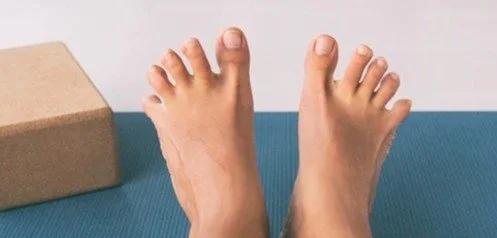
Dr. Jessica Knape of HealthSpan Internal Medicine in Boulder, CO, explains how subtle changes in walking — including stride, balance, and rhythm — can reveal early shifts in brain function. She highlights gait as a key window into neurological health and emphasizes that protecting gait is a simple, powerful way to support long-term cognitive vitality.
You can tell a lot about someone’s health by the way they walk.
Subtle changes in stride, rhythm, or balance can signal early shifts in brain function — sometimes years before memory loss or confusion appear.
At HealthSpan Internal Medicine in Boulder, CO, we teach patients that gait is more than movement. It’s a window into the brain.
The way you walk reflects how your nervous system coordinates movement, attention, and stability.
Protecting your gait is one of the simplest and most powerful ways to protect your brain.
HealthSpan Insight
Gait is a whole-brain activity, not just a mechanical one.
Slower or uneven walking can indicate early cognitive decline.
Training gait through strength, sensory, and balance work helps preserve brain function.
1. What Is Gait — and Why It’s More Than Just Walking
“Gait” refers to the coordinated pattern of steps your body takes when moving.
It involves dozens of neural circuits working in harmony — from the motor cortex to the cerebellum and basal ganglia.
Healthy gait requires:
Strength and flexibility (legs, core, feet)
Balance and sensory feedback (inner ear, eyes, proprioception)
Cognitive control (attention, reaction time, dual-tasking)
When these systems fall out of sync, the body compensates — often by slowing down, shortening steps, or shifting posture.
These changes may seem minor, but they can reveal deeper neural inefficiency long before classic dementia symptoms appear.
2. The Brain–Gait Connection
Walking is a whole-brain workout.
Every stride activates:
Frontal lobes: planning, decision-making, and multitasking
Cerebellum: coordination and timing
Basal ganglia: motor rhythm and automatic movement
Parietal cortex: spatial awareness and balance
Brainstem: posture and reflex control
That’s why even mild damage — from a concussion, vascular disease, or metabolic stress — can subtly alter gait patterns.
Changes in gait speed or symmetry often correspond to decreased frontal-lobe efficiency, the same region responsible for executive function and working memory.
3. What Gait Can Reveal About Brain Aging
Numerous studies now show that gait speed is a strong predictor of cognitive decline and lifespan.
In older adults:
Slower walking speed correlates with smaller brain volume, particularly in memory-related regions.
Uneven or variable stride length predicts a higher risk of developing mild cognitive impairment (MCI).
Difficulty walking while talking — called dual-task gait impairment — is one of the earliest markers of dementia risk
A 2022 JAMA Network Open study found that people who walked more slowly and inconsistently were twice as likely to develop dementia within seven years.
In short: your walking pattern tells your brain’s story.
4. Causes of Gait Change Beyond Aging
Not all gait changes mean dementia — but they do indicate stress on the brain-body network.
Common causes include:
Peripheral neuropathy: nerve damage in the feet (often from diabetes or B12 deficiency)
Vestibular dysfunction: inner-ear imbalance or chronic dizziness
Hormonal decline: low testosterone or thyroid slowing reaction time and muscle tone
Medications: sedatives, antihypertensives, or antidepressants may affect coordination
Inflammation and mitochondrial decline: slower neural signaling and fatigue
Each of these factors is reversible when identified early.
5. How to Recognize Early Gait Changes
You may notice:
Smaller steps or shuffling
Swaying or “drifting” when walking straight
Needing to look down constantly at your feet
Taking longer to start moving after standing
Difficulty walking and talking simultaneously
Fatigue after short walks
These are early indicators that brain or sensory feedback needs retraining — not necessarily disease, but a signal to act preventively.
6. The Foot–Brain Connection
The feet are the first point of contact in every step — and they’re loaded with sensory nerves.
If the feet can’t feel or respond quickly, the brain has less data to guide balance and direction.
Foot weakness, loss of sensation, or improper footwear can therefore “confuse” the brain’s movement maps.
(See our companion article “How Is Foot Strength Related to Falls?” for specific exercises.)
7. Retraining the Brain Through Gait Therapy
The exciting news: gait can be retrained at any age through neuro-motor reeducation.
This activates dormant neural pathways and improves cognitive resilience.
A. Gait Drills
Walk heel-to-toe on a line.
Practice marching or side-stepping while maintaining posture.
Add “dual-task” drills: walk while reciting words or counting backward.
B. Strength and Balance Work
Focus on feet, hips, and core.
Use wobble boards or single-leg stance exercises.
Incorporate light weights or resistance bands for proprioceptive feedback.
C. Sensory and Vestibular Stimulation
Vary surfaces: grass, gravel, yoga mat.
Turn head side to side while walking to engage the inner ear.
Use barefoot training for improved sensory input.
D. Brain-Body Integration
Tai chi, dance, and yoga enhance rhythm, coordination, and mindfulness.
Rhythmic movement increases dopamine and strengthens motor–cognitive connections.
8. Medical and Functional Evaluation
A comprehensive gait assessment should include:
Neurological testing (reflexes, balance, proprioception)
Foot and nerve exams (neuropathy screening, footwear analysis)
Hormone and nutrient panels (thyroid, testosterone, vitamin D, B12)
Vestibular and visual testing if dizziness or depth issues are present
At HealthSpan, we often find that addressing underlying inflammation, hormones, or nutrient deficiencies quickly restores balance and gait confidence.
9. Technology and Tools for Monitoring
Modern tools can detect early changes in walking patterns:
Wearables and smartwatches measure gait speed and variability.
Pressure mats track balance and stride.
Home videos can reveal subtle asymmetry over time.
We encourage patients to treat gait as a vital sign — like heart rate or blood pressure — something that can be measured, tracked, and improved.
10. Gait as a Reflection of Brainspan
Your walking pattern is a reflection of how well your brain is communicating with your body.
Fast, fluid gait suggests flexible, resilient neural pathways.
Stiff, hesitant gait signals that the system needs support — through movement, nutrition, hormones, and mitochondrial repair.
Improving gait not only prevents falls but also keeps your frontal lobes active, protecting focus, creativity, and emotional stability.
At HealthSpan Internal Medicine in Boulder, CO, we view movement as medicine — and gait as a biomarker of your cognitive future.
Schedule a Brain & Nutritional Optimization Evaluation with Dr. Knape to assess gait‑related neurological markers, cognitive function, and personalized interventions aimed at preserving brain health and mobility as you age.
Ready to take action for your brain health?
👉 Join the 12-week Brainspan Bootcamp and start building lifelong brain resilience
Sources
Slow Gait Predicts Cognitive Decline — Mayo Clinic Study of Aging
Gait Speed & Brain Health Across the Lifespan — JAMA Network Open
Gait Parameters and Cognitive Function in Older Adults — MDPI Healthcare
Gait Performance as an Indicator of Cognitive Deficit in Older People - MDPI
Slowing Gait Speed Precedes Cognitive Decline Linked to Alzheimer’s Pathology - PubMed
Medically reviewed by
Dr. Jessica Knape, MD, MA Board Certified in Internal Medicine and Integrative and Holistic Medicine
Healthspan Internal Medicine — serving patients in Boulder, CO
Book a Discovery Call | About Dr. Knape
This content is for educational purposes and does not replace personalized medical advice.
