
What Are 5 Things Japan Taught Me About Brain Health?
Last Updated: August 2026
I recently returned from three weeks in Japan with my family.
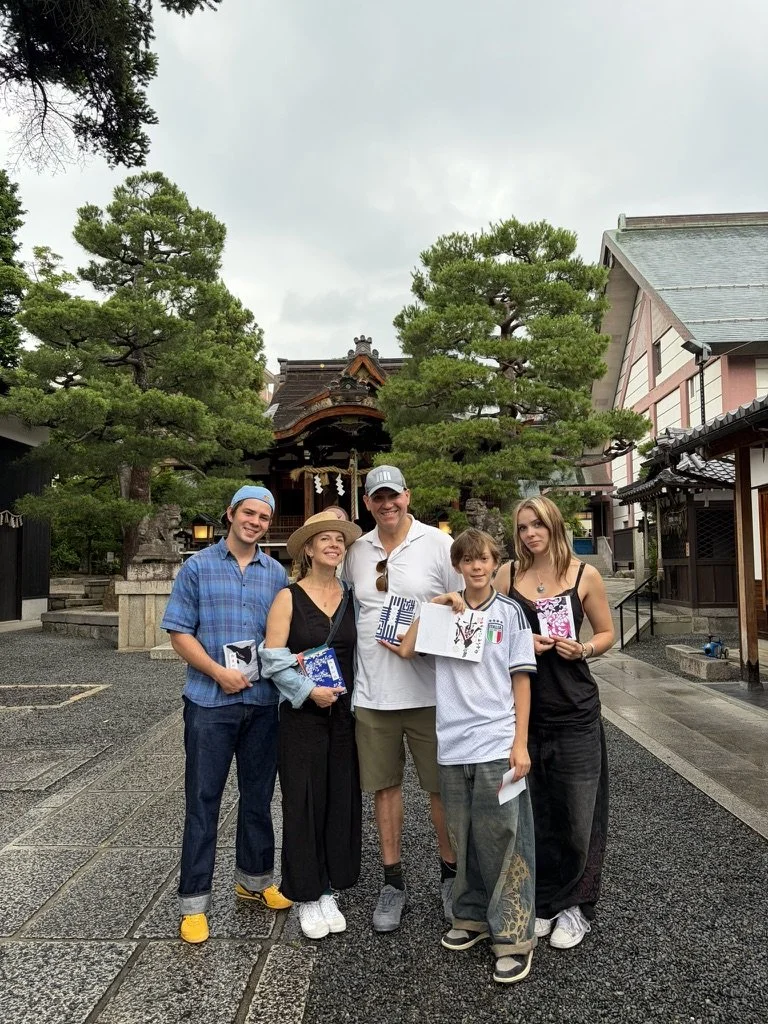
I went as a traveler, a mother, and a physician who has spent more than 20 years thinking about how we protect healthspan — and increasingly, Brainspan: the number of years we maintain a healthy, resilient, functioning brain.
I didn’t go to Japan expecting to discover a new supplement, biohack, or longevity protocol.
What I found was more interesting.
Many of the things we talk about in brain-health medicine — movement, stress regulation, metabolic health, nutrition, sleep, connection, and purpose — were simply woven into ordinary life.
People walked because walking was how they got places. Meals often contained fish, vegetables, fermented foods, and tea because those were normal foods. Time in nature didn’t necessarily require a wellness retreat. Hot bathing was part of the rhythm of the day. And the Japanese concept of ikigai gave language to something medicine has historically struggled to measure: having a reason to get up in the morning.
Japan didn’t teach me that there are five magical things we can do to prevent dementia.
It reminded me that the brain responds to the environment we create for it every day.
Here are five lessons I brought home.
1. Movement Doesn't Have to Be Exercise
One of the first things I noticed in Tokyo was how much we walked.
We walked to the train. Through the station. Up stairs. To restaurants. Through neighborhoods. Back to the train.
Movement wasn't necessarily something people changed clothes to do.
It was infrastructure.
That distinction matters for brain health.
Regular physical activity supports many of the systems we care about when we're trying to preserve cognition: cardiovascular fitness, cerebral blood flow, insulin sensitivity, mitochondrial health, balance, muscle strength, and sleep.
Exercise also influences brain-derived neurotrophic factor, or BDNF, a protein involved in neuronal health and neuroplasticity.
But Japan reminded me that we may make movement unnecessarily complicated.
You don't necessarily need another exercise class.
Sometimes you need to walk to lunch.
Take the stairs.
Park farther away.
Walk after dinner.
Carry your groceries.
Garden.
Choose the route that takes ten minutes longer.
A formal exercise program can be tremendously valuable — particularly resistance training as we age — but movement shouldn't exist only during the hour labeled "exercise."
The cumulative movement built into the other 15 waking hours matters too.
Since returning from Japan, I've been asking myself and my patients a slightly different question:
How could you design your environment so movement becomes the easiest choice?
That's a very different question from, "Did you exercise today?"
2. Your Nervous System Needs a Daily Downshift
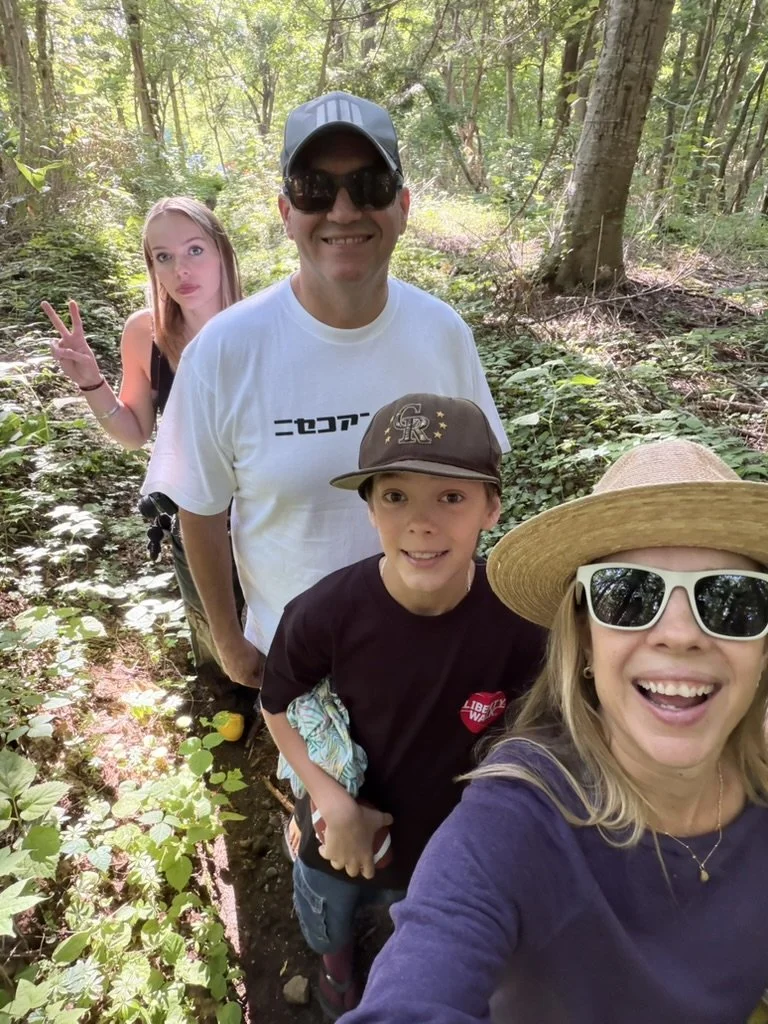
Two experiences in Japan made this particularly clear to me: forest bathing and onsens.
Shinrin-yoku, commonly translated as "forest bathing," is the practice of spending slow, intentional time in a forest environment.
You don't need to hike quickly.
You don't need to measure your heart rate.
You don't need to accomplish anything.
You walk. You breathe. You notice.
Research on nature exposure has examined effects on stress, mood, blood pressure, autonomic nervous system activity, and other markers of physiological stress.
Then there was the onsen.
In Hakone, soaking in hot mineral water wasn't presented as an optimization strategy.
It was simply how the day ended.
And I found myself thinking about how rarely many Americans truly downshift.
We work all day, exercise hard, answer messages through dinner, watch stimulating television, check our phones in bed — and then expect the nervous system to transition instantly into restorative sleep.
It doesn't always work that way.
Chronic activation of the stress response can affect sleep, blood pressure, glucose regulation, inflammation, and other systems relevant to brain health.
The lesson I brought home wasn't that everyone needs access to a Japanese forest or volcanic hot spring.
It was simpler:
Your nervous system needs to know when the day is over.
That might mean 20 minutes walking among trees.
A hot bath before bed.
Breathing exercises.
Yoga.
Meditation.
Sitting outside without your phone.
The specific tool matters less than creating a reliable signal of safety and recovery.
Since Japan, I think of this less as "self-care" and more as physiology.
3. Eat for Your Brain — But Don't Make Food a Full-Time Job
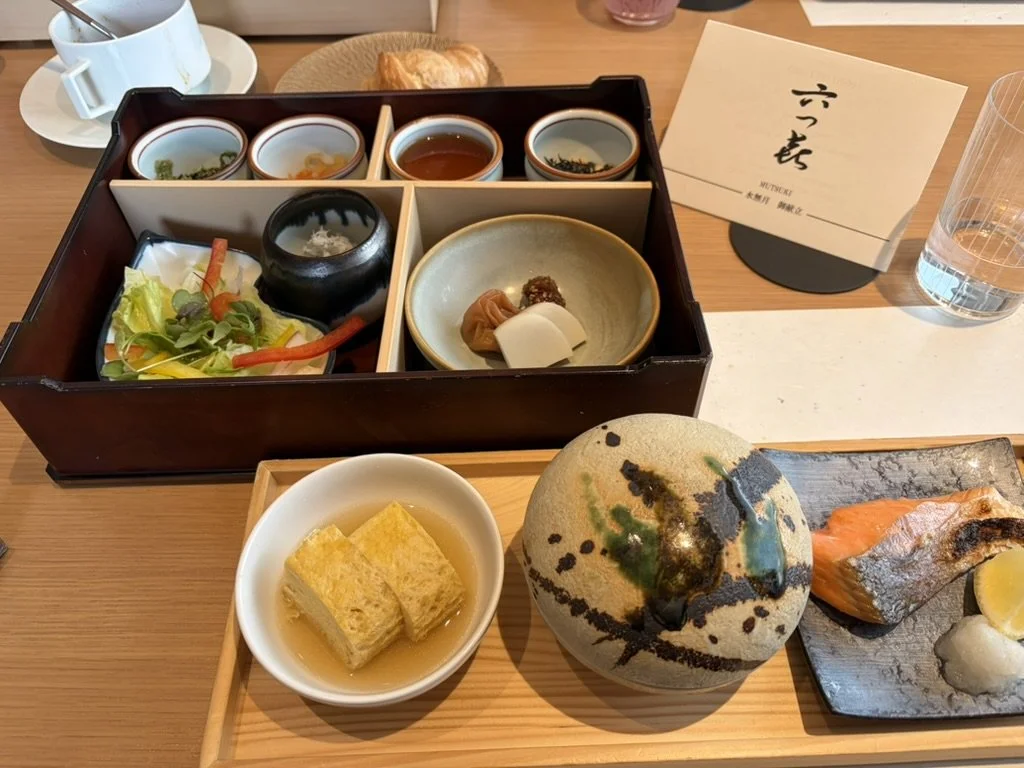
Japanese breakfasts made an impression on me.
One morning our table included miso soup, grilled fish, rice, tofu, pickled vegetables, and green tea.
Compare that with a typical American breakfast built around sweetened cereal, pastries, juice, or other refined carbohydrates.
What interested me wasn't one "superfood."
It was the pattern.
Fish provides omega-3 fatty acids such as EPA and DHA.
Vegetables provide fiber and phytonutrients.
Fermented foods can contribute to a diverse food environment for the gut microbiome.
Tea provides plant compounds including polyphenols.
And meals were often composed of recognizable foods rather than products engineered to be hyper-palatable.
That's relevant because metabolic health and brain health are deeply connected.
Insulin resistance, diabetes, hypertension, obesity, and vascular disease are all associated with cognitive outcomes.
The gut-brain axis is another rapidly developing area of research, with growing evidence that the intestinal microbiome interacts with immune, metabolic, and neurological signaling.
Again, none of this means miso prevents Alzheimer's disease.
Food isn't medicine because one ingredient performs a miracle. Food matters because patterns repeated thousands of times influence biology.
Japan also reminded me to slow down while eating.
We often focus so intensely on what we're eating that we ignore how we're eating.
Eating slowly enough to recognize satiety — reflected in the Okinawan concept of hara hachi bu, or stopping before feeling completely full — is a remarkably simple idea.
You don't have to eat Japanese food to apply the lesson.
Eat real food.
Include plants.
Get adequate protein.
Include healthy fats and omega-3-rich foods.
Experiment with fermented foods if they're appropriate for you.
Minimize highly processed foods and excess refined sugar.
And sit down long enough to actually know that you've eaten.
4. Nature and Heat Aren't Luxuries — They're Biological Inputs
Forest bathing and onsens also taught me a broader lesson:
Our environment is part of our biology.
We sometimes behave as though health exists entirely inside our bodies.
It doesn't.
Light enters through our eyes and influences circadian signaling.
Temperature changes vascular physiology.
Air quality affects the cardiovascular and respiratory systems.
Noise can affect stress and sleep.
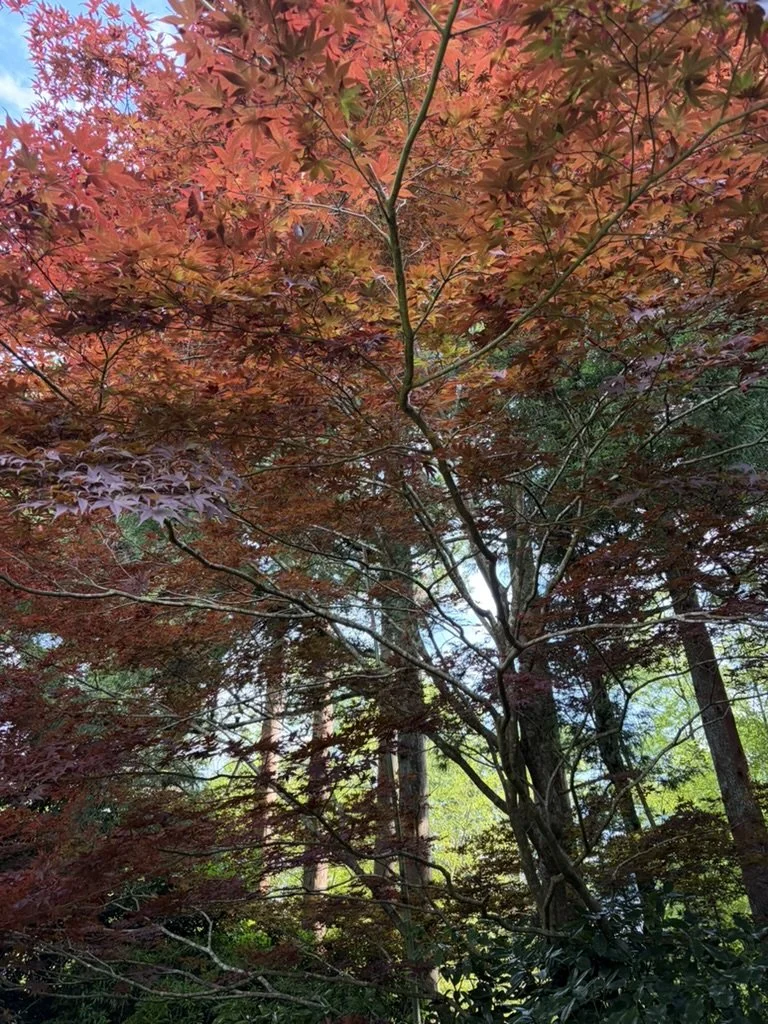
Green space changes the sensory information continuously arriving at the nervous system.
When I walked through the cedar forests near Hakone, I could feel my own nervous system change.
When I sat in an onsen at the end of the day, I could feel the transition into a different physiological state.
That experience reinforced something I discuss frequently with patients with cognitive decline.
We cannot optimize the brain while completely ignoring the environment in which that brain lives.
For some patients, environmental medicine means investigating significant exposures such as air pollution, water-damaged buildings, occupational chemicals, or heavy metals when clinically appropriate.
But environmental health also exists at a much simpler level.
Where do you spend your day?
Do you see daylight?
Do you go outside?
Do you encounter trees?
Are you constantly surrounded by noise and screens?
Does your home help your nervous system settle — or keep it activated?
We spend enormous amounts of money trying to change our internal biology while sometimes ignoring the biological input immediately outside the window.
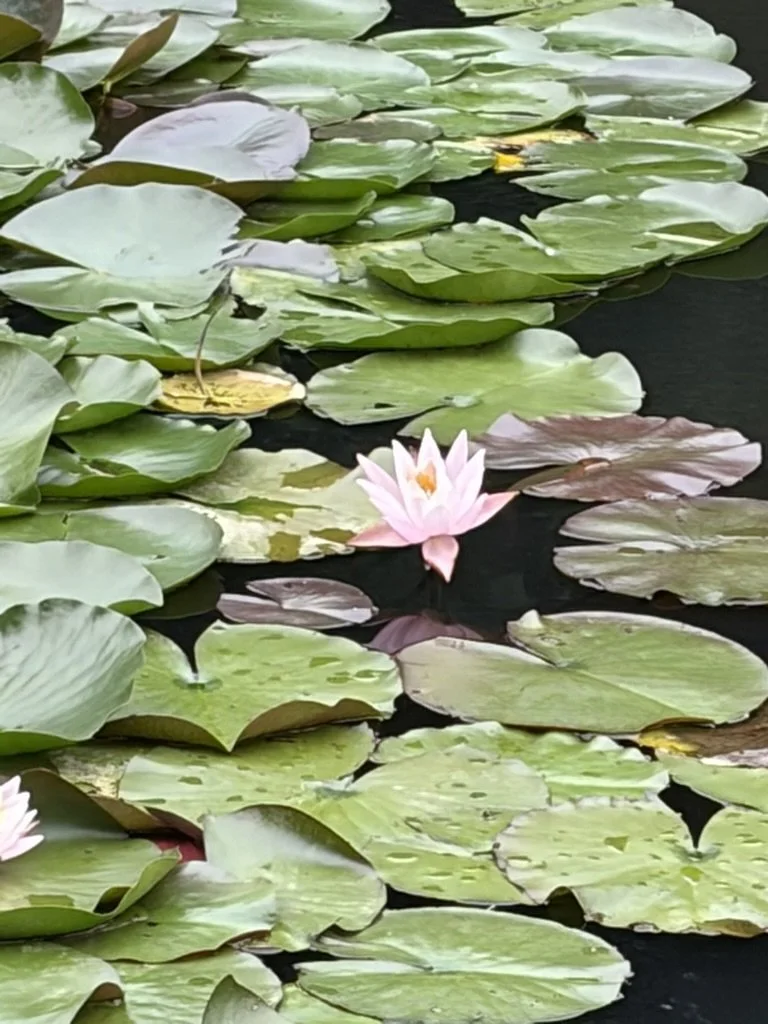
5. Your Brain Needs a Reason to Get Up in the Morning
Of all the lessons I brought home, ikigai may be the least measurable — and one of the most important.
Ikigai is often translated as "a reason for being" or the thing that makes life worth living.
It doesn't have to mean your career.
It could be caring for grandchildren.
Growing tomatoes.
Making art.
Teaching.
Volunteering.
Caring for animals.
Learning something difficult.
Participating in a community.
Being needed by another human being.
Purpose is increasingly being studied in relation to healthy aging, psychological well-being, disability, cardiovascular outcomes, and cognitive health.
And it raises a question medicine doesn't ask often enough:
What are we trying to preserve cognition for?
When someone comes to me frightened about Alzheimer's disease, understandably the conversation often begins with what they don't want.
They don't want memory loss.
They don't want dependency.
They don't want to become a burden to their family.
Those fears matter.
But eventually I want to turn the question around.
What do you want your healthy brain to allow you to keep doing?
Travel?
Work?
Read?
Teach?
Remember your grandchildren?
Hike?
Make music?
Be part of your community?
Purpose changes brain health from an abstract goal into something deeply personal.
And since returning from Japan, I've become more willing to treat that as a legitimate clinical question.
The Bigger Lesson: Brain Health Is Built Into Ordinary Days
Japan didn't give me five new medical interventions.
It gave me an embodied experience of things I already knew from the scientific literature.
Movement matters.
Metabolic health matters.
Stress physiology matters.
Environment matters.
Purpose matters.
What changed for me was seeing what happens when many of those things coexist.
We often approach longevity in America by adding interventions to a lifestyle fundamentally at odds with health.
We sit all day — then buy a gym membership.
We stay activated until bedtime — then buy a sleep supplement.
We eat highly processed food — then buy vitamins.
We feel isolated — then download a meditation app.
None of those interventions is necessarily wrong.
But Japan made me think harder about the baseline.
What if instead of continually adding more interventions, we designed daily life so that some of the things our brains need happened naturally?
That's a much bigger challenge.
It's also potentially much more powerful.
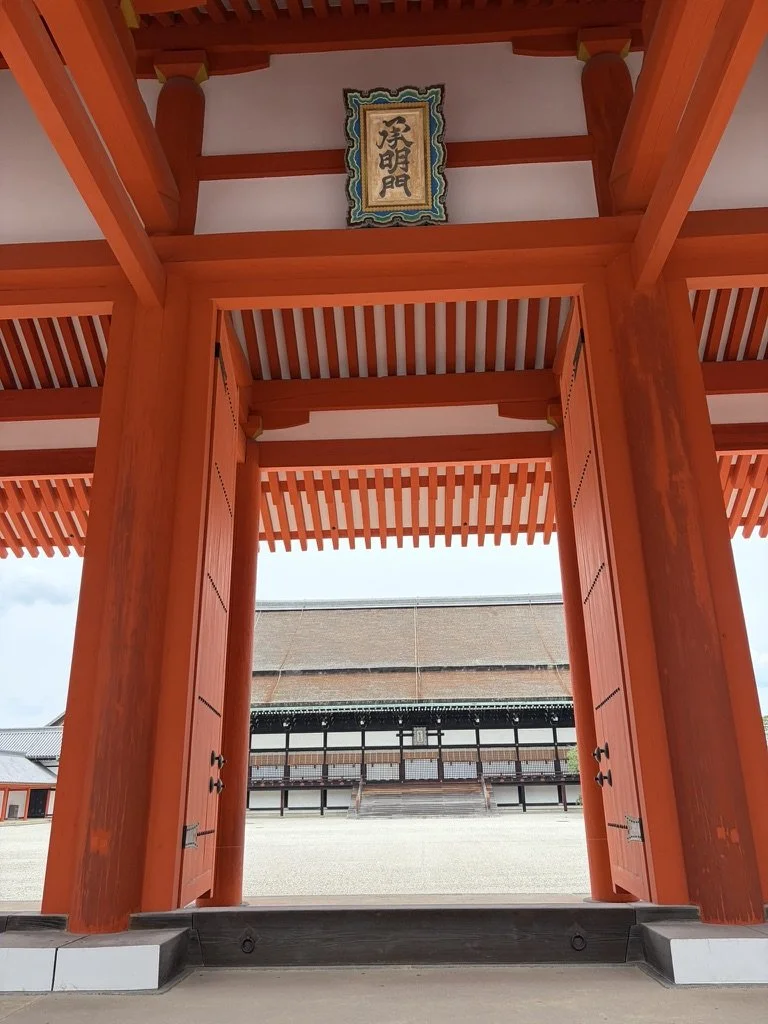
The Brainspan Plan
You don't have to move to Japan to apply these lessons.
Start small.
Walk somewhere you normally drive.
Spend 20 minutes among trees without your phone.
Try a hot bath in the evening and notice what happens to your sleep.
Add fish, vegetables, fermented foods, or green tea to meals where they're appropriate for you.
And perhaps most importantly, ask yourself the question I now ask more often in my medical practice:
What gets you out of bed in the morning?
Brain health isn't created by one treatment.
It's the cumulative result of thousands of biological inputs — some sophisticated, some surprisingly ordinary.
At HealthSpan Internal Medicine in Boulder, Colorado, that's the philosophy behind the Brainspan Blueprint™: identify the individual factors influencing cognitive health while building the foundations that allow the brain to remain resilient.
Japan didn't teach me how to hack longevity.
It reminded me what a life that supports it can look like.
And that may be the more important lesson.
References
National Institute on Aging — Cognitive Health and Older Adults
World Health Organization — Risk Reduction of Cognitive Decline and Dementia
Harvard T.H. Chan School of Public Health — Exercise and Health
National Center for Complementary and Integrative Health — Meditation and Mindfulness
National Institute on Aging — What Do We Know About Healthy Aging?
Medically reviewed by
Dr. Jessica Knape, MD, MA, Board Certified in Internal Medicine and Integrative and Holistic Medicine
Healthspan Internal Medicine — serving patients in Boulder, CO
Book a consultation | Learn More
This content is for educational purposes and does not replace personalized medical advice.
