
How Does Stress Accelerate Brain Aging (and How to Reverse It)?
Last Updated: December 2025
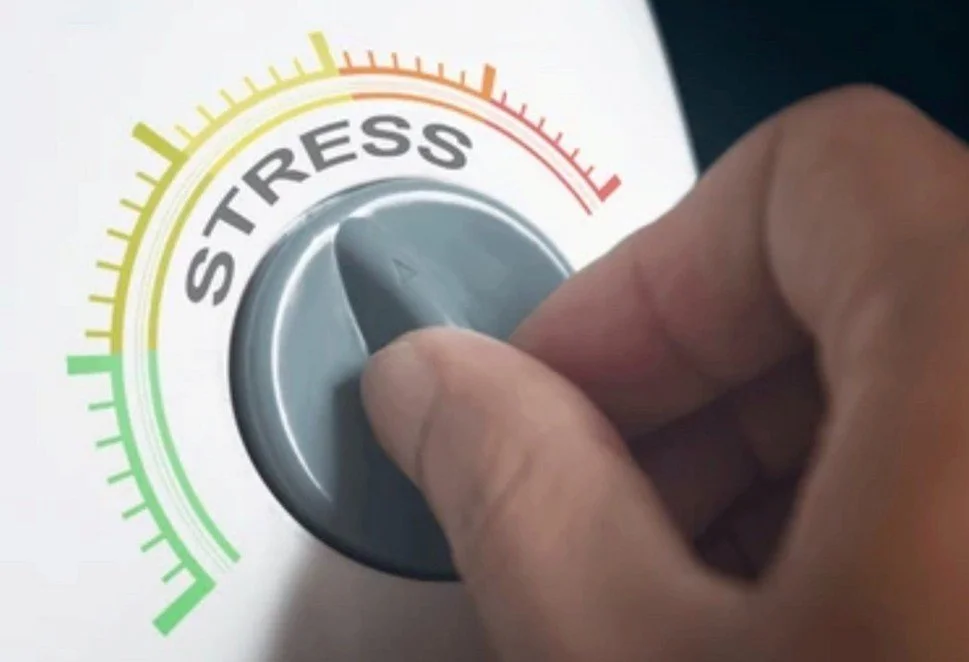
Dr. Jessica Knape of HealthSpan Internal Medicine in Boulder, CO, explains how chronic stress reshapes the brain’s chemistry, structure, and energy systems, accelerating cognitive aging. She emphasizes that stress is not just emotional — it’s a biological signal that impacts long-term brain health. With proper awareness and recovery, many of these stress-related changes can be reversed.
Everyone experiences stress — but chronic, unrelenting stress is a very different story.
Over time, it changes your brain’s chemistry, structure, and energy metabolism in ways that make aging — especially cognitive aging — happen faster.
At HealthSpan Internal Medicine in Boulder, CO, we see stress not just as a mental health issue, but as a biological signal that reshapes the brain.
The good news: with awareness and intentional recovery, many of these changes are reversible.
1. Stress Changes the Brain’s Wiring
The body’s stress system evolved for short bursts — not endless demands.
When stress becomes chronic, the hypothalamic-pituitary-adrenal (HPA) axis stays switched on, keeping cortisol levels high.
Cortisol is meant to protect you in emergencies — but in excess, it:
Shrinks the hippocampus, your brain’s memory center.
Weakens prefrontal cortex connections (focus, reasoning, and impulse control).
Overactivates the amygdala, increasing anxiety and reactivity.
MRI studies show that people under prolonged stress literally develop smaller hippocampal volumes — but when stress is reduced, recovery can begin
2. Stress Fuels Inflammation and “Inflammaging”
High cortisol over time blunts the immune system’s regulation, leading to low-grade, chronic inflammation — sometimes called “inflammaging.”
This inflammation damages neurons and blood vessels, promoting:
Brain fog
Mood instability
Sleep disruption
Accelerated cognitive decline
Markers like C-reactive protein (CRP), IL-6, and TNF-alpha rise during chronic stress and are strongly linked to Alzheimer’s risk.
3. Stress Starves the Brain of Energy
Under stress, blood flow shifts toward survival areas of the brain (the amygdala and motor cortex) and away from memory and reasoning centers.
Glucose metabolism becomes less efficient, and mitochondrial energy drops.
This “energy diversion” leads to fatigue, irritability, and slower processing — often mistaken for early dementia but rooted in reversible metabolic dysfunction.
4. Stress Disrupts Sleep — and Brain Detox
When cortisol stays high at night, deep sleep (slow-wave and REM) decreases.
This blocks the glymphatic system, which clears waste products like amyloid and tau from the brain.
In other words, chronic stress doesn’t just make you tired — it prevents your brain from cleaning itself.
5. The Cortisol-Estrogen-Thyroid Connection
Stress doesn’t act alone.
High cortisol interferes with thyroid function and sex hormones, which are vital for brain energy and repair.
Women in perimenopause or menopause are particularly sensitive to this imbalance, as falling estrogen amplifies cortisol’s effects.
That’s why stress management is an essential part of hormone and cognitive health optimization at HealthSpan.
6. The Good News: The Brain Is Resilient
Neuroplasticity — the brain’s ability to rewire — means that stress damage can be partially reversed.
Within weeks of stress reduction, hippocampal volume and memory can begin to improve.
7. Evidence-Based Ways to Reverse Stress-Induced Brain Aging
A. Reset the HPA Axis (Stress System)
Practice slow breathing (4-7-8 or box breathing).
Try short mindfulness sessions — even 5 minutes helps.
Morning sunlight and regular sleep times regulate cortisol rhythm.
B. Rebuild Mitochondrial Energy
Prioritize restorative sleep (ideally 7–8 hours).
Eat anti-inflammatory, low-glycemic meals (KetoFlex 12/3).
Support mitochondria with nutrients like magnesium, CoQ10, B vitamins, and omega-3s.
C. Move Daily
Exercise is the fastest way to rebalance stress hormones.
20–30 minutes of walking, strength training, or yoga lowers cortisol and raises brain-derived neurotrophic factor (BDNF) — the molecule of neuroplastic repair.
D. Connect and Express
Social connection and emotional expression lower cortisol more effectively than isolation or distraction.
Community literally acts as an anti-inflammatory intervention.
E. Reframe and Reflect
Practices like gratitude journaling or prayer shift the brain’s attention away from threat and toward safety — changing neural firing patterns over time.
8. When to Seek Help
If you notice memory lapses, sleep issues, anxiety, or burnout that persist for weeks or months, it’s time to evaluate.
We assess cortisol rhythm, thyroid, insulin sensitivity, and inflammatory markers to map how stress is affecting your system.
Personalized recovery — not just “relaxation” — is key.
Bottom Line
Chronic stress is one of the most common, reversible causes of accelerated brain aging.
It shrinks memory centers, inflames neurons, and depletes mitochondrial energy — but the brain can heal when stress chemistry is replaced with safety, rest, and connection.
At HealthSpan Internal Medicine, we integrate biology with mindfulness — addressing the root causes of stress through hormonal balance, nutrition, oxygenation, and nervous system retraining.
You can’t eliminate all stress, but you can teach your brain to recover from it — and thrive again.
Schedule a Brain & Nutritional Optimization Evaluation with Dr. Knape to assess how stress impacts your brain aging markers, evaluate metabolic and inflammatory contributors, and create a personalized strategy to protect your cognition and promote long‑term brain health.
Ready to take action for your brain health?
👉 Join the 12-week Brainspan Bootcamp and start building lifelong brain resilience
Sources
How Chronic Stress Accelerates Aging and Ways to Reverse Its Effects - MindHelp
5 Ways to Reverse the Effects of Stress and Slow Aging - Psychology Today
Stress Rapidly Increases Biological Age, but Recovery Turns Back the Clock - Neuroscience News
Psychological Stress as a Risk Factor for Accelerated Cellular Aging and Cognitive Decline - PubMed
Medically reviewed by
Dr. Jessica Knape, MD, MA Board Certified in Internal Medicine and Integrative and Holistic Medicine
Healthspan Internal Medicine — serving patients in Boulder, CO
Book a Discovery Call | About Dr. Knape
This content is for educational purposes and does not replace personalized medical advice.
