
Can Chronic Viral Infections Contribute to Cognitive Decline?
Last Updated: November 2025
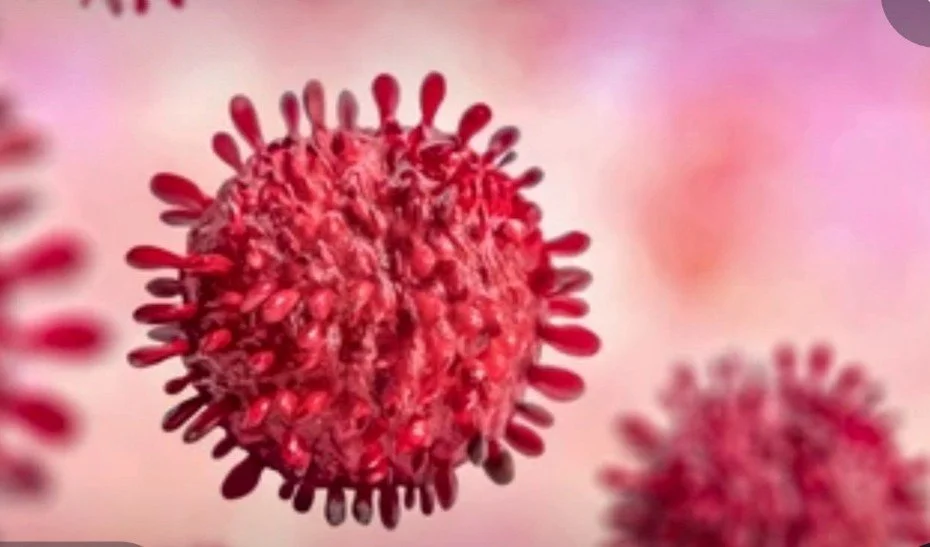
In this FAQ, Dr. Jessica Knape of HealthSpan Internal Medicine in Boulder, CO, explains how chronic viral infections—like EBV, HSV-1, or COVID-19—can accelerate neuroinflammation and contribute to cognitive decline. Persistent viral activity may impact immune and mitochondrial function, leading to brain fog, memory lapses, and mental fatigue.
When most people think about dementia, they think of plaques, tangles, or genetics — not viruses.
Yet, growing research shows that chronic viral infections may quietly accelerate the inflammation and immune dysfunction that underlie many forms of cognitive decline.
At HealthSpan Internal Medicine in Boulder, CO, we see this connection every week.
Patients recovering from Epstein-Barr virus (EBV), Herpes simplex (HSV-1), or COVID-19 often describe new or worsening “brain fog,” memory lapses, or mental fatigue.
The emerging science suggests these aren’t random symptoms.
They may reflect how persistent viral activity taxes the immune system and mitochondria — the same systems that protect the brain from aging.
BrainSpan Insight
Chronic viral infections can “prime” the brain’s immune cells (microglia) for inflammation.
Viruses like EBV, HSV-1, and SARS-CoV-2 are linked to higher dementia risk.
Supporting immune balance, mitochondria, and detoxification may reduce long-term cognitive impact.
1. The Viral–Brain Connection
Viruses have an uncanny ability to hide in the nervous system.
After initial infection, many remain dormant for years inside nerve cells or immune cells — occasionally reactivating during stress, illness, or aging.
Each reactivation triggers inflammation and oxidative stress.
Over time, repeated immune “hits” can erode the blood–brain barrier, exhaust mitochondria, and impair neuron communication.
This process — called neuroinflammation — is now recognized as a key pathway in Alzheimer’s, Parkinson’s, and other dementias.
2. The Key Players: Viruses Linked to Cognitive Decline
A. Epstein–Barr Virus (EBV)
A member of the herpesvirus family, EBV infects over 90% of adults worldwide.
It can reactivate decades later, especially under immune or metabolic stress.
Recent studies show that EBV infection may increase risk of multiple sclerosis, and possibly Alzheimer’s, by triggering chronic inflammation and autoimmunity.
EBV can reside in B-cells, altering immune signaling and mitochondrial metabolism — key factors in “chronic fatigue” and cognitive fog.
B. Herpes Simplex Virus Type 1 (HSV-1)
HSV-1, the virus behind cold sores, has been found in the brains of many older adults — including those with Alzheimer’s pathology.
Recurrent HSV-1 infection may damage neurons in the hippocampus, the brain’s memory center.
Carriers of the APOE4 gene appear more vulnerable, possibly due to impaired antiviral defense.
Antiviral therapy in some studies has been associated with reduced dementia risk.
C. SARS-CoV-2 (COVID-19)
“Long COVID” has highlighted how viral infections can trigger long-term brain symptoms — from word-finding difficulty to chronic fatigue and mood changes.
COVID-related inflammation can disrupt the blood–brain barrier, alter microglial activity, and trigger autoantibodies that attack neural tissue.
Persistent viral fragments in the body may keep the immune system “switched on,” contributing to ongoing brain fog and fatigue.
3. How Chronic Viruses Impact the Brain
Even when viral load is low, the immune system may stay on alert.
This “smoldering” immune activation drives oxidative stress and damages neurons indirectly.
Mechanisms include:
Microglial activation: Brain immune cells become hypervigilant, releasing cytokines like IL-6 and TNF-α.
Mitochondrial dysfunction: Viral proteins hijack cellular energy, leading to fatigue and reduced ATP output.
Vascular injury: Endothelial inflammation reduces blood flow and oxygen delivery.
Autoimmunity: Viral molecular mimicry can lead to antibodies attacking brain or nerve tissue.
Neurotransmitter imbalance: Inflammation alters serotonin, dopamine, and acetylcholine levels — all key for focus and mood.
4. Viral Reactivation: Why It Happens More With Age
With age, the immune system undergoes immunosenescence — a gradual decline in regulation.
This makes it easier for latent viruses to flare.
Common triggers include:
Chronic stress or sleep deprivation
Nutrient deficiencies (especially B vitamins, zinc, and selenium)
Gut dysbiosis or leaky gut
Toxin exposure (mold, heavy metals, pesticides)
Hormonal decline, particularly low estrogen or testosterone
Co-infections (Lyme, mycoplasma)
This cycle of stress and viral reactivation is one reason older adults often experience post-viral fatigue and memory issues after common infections.
5. The Research Evidence
A 2022 study in Neuron found that EBV reactivation can upregulate inflammatory genes in brain-supporting cells, potentially priming them for neurodegeneration.
A Frontiers in Aging Neuroscience meta-analysis linked HSV-1 DNA in the brain to higher Alzheimer’s prevalence, especially among APOE4 carriers.
Post-COVID cognitive testing shows deficits in attention, memory, and processing speed months after infection — correlated with markers of persistent inflammation.
Together, these findings suggest that chronic viral load plus inflammation = higher risk for cognitive aging.
6. Testing for Viral Reactivation
At HealthSpan, we don’t diagnose “viral dementia” — we look for patterns of immune imbalance.
Testing may include:
EBV antibody panels (VCA IgG/IgM, EA, EBNA)
HSV-1/2 serology and reactivation markers
Cytokine and CRP levels
Mitochondrial and nutrient panels (CoQ10, B12, folate, carnitine)
Brain function assessments (MoCA or CNS Vital Signs)
When indicated, viral load and inflammatory markers help guide both integrative and conventional treatment.
7. Treatment: Supporting the Immune–Brain Axis
The goal isn’t to “kill” every virus — that’s impossible — but to restore immune balance and mitochondrial resilience so the brain can heal.
A. Antiviral and Immune Modulating Therapies
Prescription antivirals (acyclovir, valacyclovir) when indicated for HSV or EBV.
Low-dose naltrexone (LDN) to calm microglial activation.
Monolaurin, olive leaf, or lysine as botanical antiviral support.
B. Nutrient and Mitochondrial Support
B12, folate, and B6 to lower homocysteine and improve methylation.
CoQ10, acetyl-L-carnitine, and alpha-lipoic acid to restore ATP production.
Vitamin D, zinc, and selenium to strengthen antiviral immunity.
C. Lifestyle Medicine
Prioritize sleep: Deep sleep clears inflammatory debris via the glymphatic system.
Exercise moderately: Promotes circulation and immune regulation.
Breathwork and yoga: Reduce cortisol and vagal imbalance that can trigger viral flares.
Social connection: Enhances immune resilience through oxytocin and parasympathetic tone.
D. Address Coexisting Factors
Treat mold exposure, gut inflammation, or hormonal imbalances that fuel viral persistence.
8. Hope for Recovery
Many patients with post-viral or chronic infection-related cognitive symptoms improve significantly with comprehensive care.
As neuroinflammation quiets, mitochondrial energy and mental clarity return.
It’s not just about suppressing infection — it’s about helping the body remember how to regulate itself.
With the right support, the brain can regain balance, resilience, and vitality — even after years of fatigue or fog.
Bottom Line
Chronic viral infections like EBV, HSV-1, and COVID-19 don’t “cause” dementia on their own.
But by overactivating the immune system, damaging mitochondria, and reducing oxygen flow to the brain, they can accelerate aging pathways that lead to cognitive decline.
The key is early detection and integrative care: restore nutrients, calm inflammation, and rebuild cellular energy.
At HealthSpan Internal Medicine, we approach chronic infection as both a metabolic and immune challenge — helping patients move from fatigue and fog back to focus and function.
If you're still not feeling like yourself after COVID, mono, or another viral illness, your brain may need support.
Dr. Knape uses precision diagnostics to uncover viral, metabolic, and inflammatory contributors to cognitive symptoms.
👉 Schedule your evaluation.
Ready to take action for your brain health?
👉 Join the 12-week Brainspan Bootcamp and start building lifelong brain resilience
Sources
Viral Reactivation and Alzheimer’s Disease Mechanisms, Readhead B et al., Neuron, 2018 — PMC
COVID-19, Long-Haul Neuroinflammation & Cognitive Impairment, Douaud G et al., Nature, 2022 — PMC
EBV, Autoimmunity & Neurodegeneration, Bjornevik K et al., Science, 2022 — PMC
Medically reviewed by
Dr. Jessica Knape, MD, MA Board Certified in Internal Medicine and Integrative and Holistic Medicine
Healthspan Internal Medicine — serving patients in Boulder, CO
Book a Discovery Call | About Dr. Knape
This content is for educational purposes and does not replace personalized medical advice.
