
Why Are Most Older Adults Vitamin B12 Deficient — and Why It Matters for Brain Health
Last Updated: November 2025
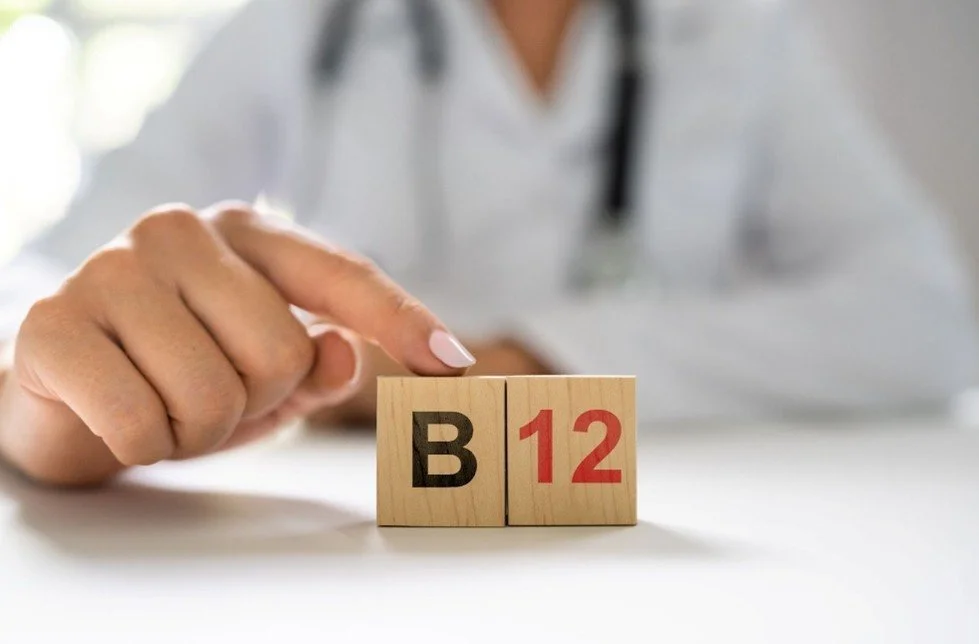
Dr. Jessica Knape of HealthSpan Internal Medicine in Boulder, CO, explains how vitamin B12 is essential for brain and nerve function, yet commonly deficient in older adults. She highlights that low B12 can contribute to fatigue, brain fog, neuropathy, and early cognitive decline, and emphasizes that with proper testing and targeted supplementation, these issues are both preventable and reversible.
Vitamin B12 is one of the most vital nutrients for brain and nerve health — yet it’s among the most commonly missed deficiencies in older adults.
It’s needed for energy, focus, memory, and mood — but many people over 60 can’t absorb enough from food, even if their diet looks healthy.
At HealthSpan Internal Medicine in Boulder, CO, we find that low B12 levels are often a hidden driver of fatigue, brain fog, neuropathy, and early cognitive decline.
The good news: with testing and the right form of supplementation, it’s both preventable and reversible.
HealthSpan Insight
Up to 40% of adults over 60 have low or borderline B12 levels.
Absorption declines with age due to low stomach acid, medications, and gut changes.
Low B12 increases homocysteine, brain shrinkage, and dementia risk — but correcting it can dramatically restore focus, energy, and memory.
1. What Does Vitamin B12 Do?
Vitamin B12 (cobalamin) is essential for three key processes:
Methylation: B12 helps recycle homocysteine into methionine, preventing vascular and neural damage.
Myelin Formation: It maintains the protective insulation around nerves, allowing fast and accurate signaling.
Energy Production: B12 is needed in mitochondria to convert nutrients into ATP — your body’s energy currency.
When B12 runs low, neurons can’t communicate effectively, leading to fatigue, mood changes, and cognitive symptoms that mimic dementia.
2. Why B12 Deficiency Is So Common in Older Adults
Unlike most vitamins, B12 requires a complex absorption process.
You need:
Adequate stomach acid to release B12 from food proteins.
Intrinsic factor, a protein made by stomach cells, to transport it through the intestines.
Healthy gut lining and pancreatic enzymes to absorb it.
As we age, several things interfere with that process:
A. Low Stomach Acid (Hypochlorhydria)
Natural acid production declines with age, reducing B12 release from food.
Acid-blocking medications (like omeprazole, famotidine, and others) worsen the problem.
B. Reduced Intrinsic Factor
Autoimmune gastritis or atrophic gastritis can destroy intrinsic factor-producing cells.
Without it, B12 absorption drops sharply.
C. Medications
Metformin (for diabetes) reduces B12 absorption in up to 30% of users.
Proton pump inhibitors (PPIs), H2 blockers, and antacids interfere with stomach acid.
D. Gut Microbiome Imbalance
Small intestinal bacterial overgrowth (SIBO) or dysbiosis can compete for and consume dietary B12.
E. Dietary Patterns
Vegetarian or vegan diets often lack animal-derived B12 (found mainly in meat, eggs, fish, and dairy).
3. Early Signs of Low B12
B12 deficiency develops slowly, often going unnoticed until symptoms become severe.
Neurological and Cognitive Symptoms:
Brain fog or slowed thinking
Depression or irritability
Poor memory
Numbness or tingling in hands and feet
Unsteady gait or balance problems
Physical Symptoms:
Fatigue or weakness
Pale skin or shortness of breath
Tongue soreness or burning
Rapid heart rate
These symptoms may appear even with “normal” blood levels, which is why functional testing is key.
4. The Hidden Link Between B12 and Dementia
Low B12 doesn’t just cause fatigue — it’s directly linked with brain atrophy.
In studies from Oxford and Harvard, older adults with B12 deficiency or high homocysteine had smaller hippocampal volumes and faster cognitive decline.
When treated with methylated B vitamins (including B12), their brain shrinkage slowed by 30–40%.
B12 deficiency also mimics dementia: poor focus, apathy, disorientation, and mood changes.
We’ve seen patients regain clarity and energy once their B12 was restored — often within weeks.
5. How to Test for Vitamin B12 Deficiency
At HealthSpan, we go beyond standard serum B12 (which can appear normal even when tissue levels are low).
We test:
Serum B12 — general status (optimal >550 pg/mL).
Methylmalonic Acid (MMA) — most sensitive early marker of deficiency (elevated = low B12 activity).
Homocysteine — elevated when methylation is impaired.
Holotranscobalamin (Active B12) — measures biologically available B12.
If symptoms or labs suggest deficiency, treatment should begin promptly.
6. The Best Forms of Vitamin B12
Not all B12 supplements are equal.
Methylcobalamin
Name: Active form used in the brain
Benefits: Best for mood and cognitionHydroxocobalamin
Name: Natural storage form
Benefits: Longer-lasting, gentler releaseAdenosylcobalamin
Name: Mitochondrial form
Benefits: Supports energy productionCyanocobalamin
Name: Synthetic form
Benefits: Inexpensive but less effective in MTHFR variants
Preferred strategy: combine methylcobalamin and hydroxocobalamin for comprehensive support.
7. Oral vs. Sublingual vs. Injection
For mild deficiency:
Sublingual (under-the-tongue) or liquid forms are often sufficient if taken consistently.
For moderate to severe deficiency, or if absorption is impaired:
Intramuscular or subcutaneous injections bypass the gut entirely.
Typical dosing: 1000 mcg weekly for 4–8 weeks, then monthly or as maintenance.
In cognitively at-risk adults, we often combine injection therapy with oral maintenance to keep levels optimal.
8. Ideal B12 Ranges for Brain Health
Lab “normal” ranges often start at 200 pg/mL — but neurological symptoms can occur at much higher levels.
Level: >800 pg/mL
Status: Excellent
Recommendation: Maintain lifestyle and B-complex
Level: 500–800 pg/mL
Status: Optimal
Recommendation: Continue support
Level: 300–500 pg/mL
Status: Borderline
Recommendation: Supplement or inject
Level: <300 pg/mL
Status: Deficient
Recommendation: Begin active treatment
For brain health, we target 700–1200 pg/mL, especially in older adults with memory concerns.
9. Foods Rich in Vitamin B12
Salmon, sardines, trout
Eggs and dairy
Beef, chicken, or organ meats (if tolerated)
Nutritional yeast (fortified with B12 for vegetarians)
Even with excellent diet, absorption challenges mean many older adults still need supplementation.
10. The Big Picture: B12 and Brainspan
Vitamin B12 is not just a nutrient — it’s a lifespan determinant for cognition, nerve function, and vitality.
It anchors methylation, protects DNA, and fuels mitochondria.
Deficiency is silent but reversible — and one of the simplest ways to prevent cognitive decline and frailty.
At HealthSpan Internal Medicine, we screen every midlife and older patient for B12 status as part of our Brainspan Blueprint.
With proper testing and replenishment, patients often report better clarity, energy, and mood within weeks.
Bottom Line
B12 deficiency is widespread, underdiagnosed, and preventable.
Aging, medication use, and gut changes all reduce absorption — but restoring B12 can transform both mental and physical vitality.
Checking your B12 is easy. Treating it can change the course of your brain health.
The earlier you act, the stronger your brainspan — and your quality of life — will be.
Schedule a Brain & Nutritional Optimization Evaluation with Dr. Knape to assess your vitamin B12 levels, identify underlying causes, and develop a personalized plan to support cognitive health and healthy aging.
Ready to take action for your brain health?
👉 Join the 12-week Brainspan Bootcamp and start building lifelong brain resilience
Sources
Medically reviewed by
Dr. Jessica Knape, MD, MA Board Certified in Internal Medicine and Integrative and Holistic Medicine
Healthspan Internal Medicine — serving patients in Boulder, CO
Book a Discovery Call | About Dr. Knape
This content is for educational purposes and does not replace personalized medical advice.
