
What Is KetoFlex 12/3 — and How Can It Support Brain Health?
Last Updated: December 2025
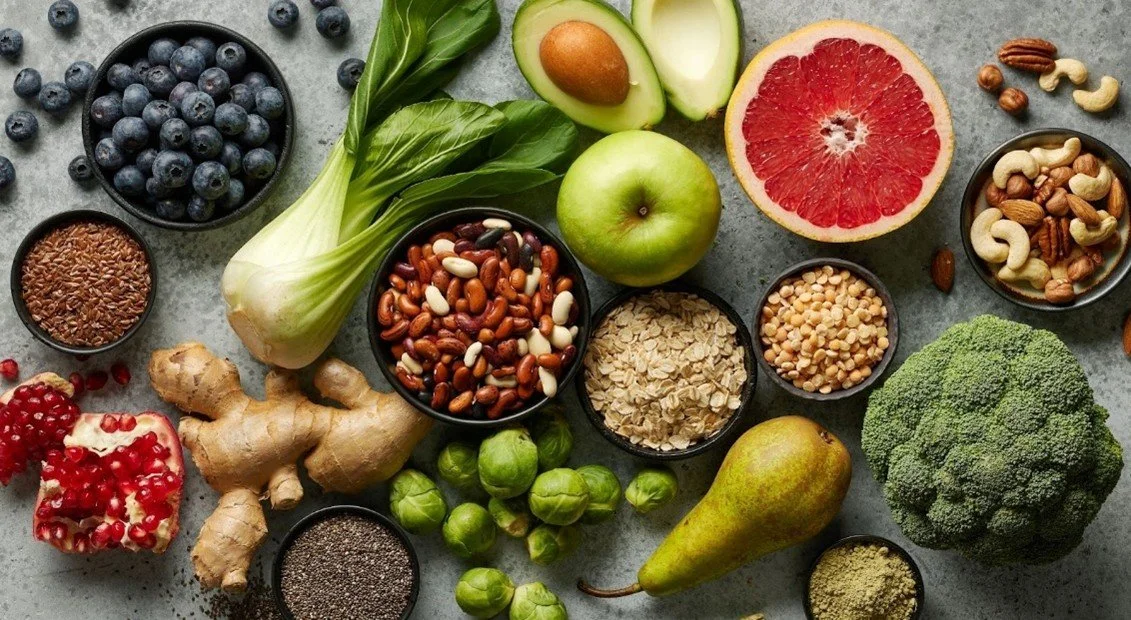
Dr. Jessica Knape of HealthSpan Internal Medicine in Boulder, CO, discusses how the KetoFlex 12/3 nutrition approach supports brain health by improving metabolism, reducing inflammation, and enhancing cognitive clarity. She explains its role in Alzheimer’s prevention and long-term cognitive longevity, especially for patients with insulin resistance or early memory concerns.
Nutrition is one of the most powerful tools for protecting brain function. Among the evidence-based approaches now being studied for Alzheimer’s prevention, the KetoFlex 12/3 plan has gained attention for its ability to improve metabolism, reduce inflammation, and enhance cognitive clarity.
At HealthSpan Internal Medicine in Boulder, CO, we often use KetoFlex 12/3 as a foundation for metabolic and cognitive longevity — especially for patients with insulin resistance, early memory concerns, or inflammatory conditions.
Brainspan Brief
KetoFlex 12/3 combines mild ketosis, plant-forward nutrition, and time-restricted eating.
“12/3” refers to a 12-hour overnight fast and finishing the last meal 3 hours before bed.
The goal is not extreme carbohydrate restriction but metabolic flexibility and brain fuel balance.
Studies show improvements in insulin sensitivity, mitochondrial function, and cognitive performance.
A typical day includes nutrient-dense, anti-inflammatory foods aligned with circadian rhythm.
1. The Concept Behind KetoFlex 12/3
Developed by Dr. Dale Bredesen and refined through research on cognitive optimization, KetoFlex 12/3 is designed to:
Lower insulin resistance and reduce “type 3 diabetes” risk in the brain.
Increase ketone availability, giving neurons an alternative, cleaner fuel source.
Promote autophagy — the body’s cellular cleanup process — through time-restricted eating.
Reduce neuroinflammation with plant polyphenols, omega-3s, and antioxidants.
Support the gut-brain axis, improving detox and neurotransmitter balance.
In short: it’s not a fad diet. It’s a metabolic therapy for brain repair and prevention.
2. The “12/3” Fasting Rule
The numbers are simple but powerful:
12 hours fasting: For example, stop eating at 7 PM, eat breakfast at 7 AM. This allows blood insulin to fall, prompting mild ketosis and cellular repair overnight.
3 hours before sleep: Avoid calories (especially carbohydrates or alcohol) within 3 hours of bedtime. Late eating disrupts circadian rhythm, impairs sleep, and blunts the glymphatic “brain wash” that clears amyloid.
Some patients gradually extend fasting to 13–14 hours for additional benefit, as long as energy and hormonal stability are maintained.
3. Macronutrient Goals (Guidelines, Not Rigid Rules)
Healthy fats (50–60% of calories): Avocado, olive oil, nuts, seeds, wild salmon, pastured eggs.
Plant-based fiber & phytonutrients (30–40% of calories): Vegetables of every color, crucifers, leafy greens, berries, herbs, spices.
Clean protein (15–20% of calories): Wild fish, pasture-raised poultry, eggs, or plant proteins such as lentils and hemp.
Net carbohydrates typically stay around 50–70 grams/day, focusing on fiber-rich, low-glycemic sources.
4. Foods to Emphasize
Healthy fats: Avocado, olive, macadamia, and MCT oils; walnuts, chia, flax, and pumpkin seeds.
Low-starch vegetables: Leafy greens, broccoli, cauliflower, zucchini, mushrooms, peppers.
Protein: Wild-caught salmon, sardines, pasture-raised eggs, organic poultry, tofu or tempeh.
Fermented foods: Sauerkraut, kimchi, sugar-free yogurt, kefir (for gut support).
Spices & herbs: Turmeric, cinnamon, rosemary, oregano — all anti-inflammatory.
Hydration: Filtered water, herbal teas, green tea.
5. Foods to Minimize or Avoid
Processed carbohydrates (bread, pasta, sweets).
Refined vegetable oils (canola, soybean, corn).
Trans fats and fried foods.
Processed meats and nitrates.
Sugary beverages and alcohol (especially late evening).
These foods increase insulin resistance, inflammation, and oxidative stress — the metabolic drivers of dementia.
6. A Sample KetoFlex 12/3 Daily Plan
Below is an example of a flexible, balanced day. Adjust portion sizes to match your caloric needs and activity level.
Morning (7:00–8:00 AM) — Breaking the Fast
Hydrate first: 16 oz water with a pinch of sea salt and lemon.
Breakfast (optional on shorter fast days):
Two pasture-raised eggs cooked in olive oil.
Sautéed spinach, mushrooms, and avocado.
Green tea or black coffee (unsweetened).
If extending fast to 13–14 hours, skip breakfast and break fast at lunch.
Midday (12:00–1:00 PM) — Main Meal
Grilled wild salmon with olive oil and lemon.
Large mixed-greens salad (arugula, kale, peppers, cucumbers) with avocado, walnuts, and balsamic vinaigrette.
Optional side: roasted cauliflower or a small serving of lentils.
Key focus: high antioxidants, healthy fats, fiber, and moderate protein.
Afternoon (3:00–5:00 PM) — Cognitive Support Snack (if needed)
Handful of nuts (almonds or macadamias).
Green smoothie with spinach, chia, half an avocado, and unsweetened almond milk.
Light activity or short walk afterward to aid glucose balance.
Evening (6:30 PM) — Final Meal
Pasture-raised chicken or tofu stir-fry with broccoli, bok choy, bell peppers, and coconut aminos.
Small side of wild rice or roasted sweet potato (optional for athletes).
Herbal tea or warm water; finish by 7 PM.
No food after this time — water and non-caloric tea only.
7. Daily Lifestyle Integration
Movement: 30–45 minutes of activity daily (alternating aerobic and strength training).
Light exposure: Get morning sunlight; limit blue light after sunset.
Stress reduction: Meditation, journaling, or breathwork after dinner.
Sleep: Aim for 7–8 hours; consistent bedtime supports glymphatic detox.
Brain fuel: During fasting, mild ketosis provides stable energy — most patients report fewer crashes and clearer focus.
8. Who Should Be Cautious
KetoFlex 12/3 is generally safe, but medical supervision is advised for:
Type 1 diabetes or insulin-dependent type 2 diabetes.
Underweight individuals or those with disordered eating.
Pregnancy or breastfeeding
Patients on blood-pressure or glucose-lowering medications.
Always transition gradually, especially if used to high-carbohydrate diets.
9. Clinical Benefits Observed
Emerging research and clinical experience suggest KetoFlex 12/3 may:
Improve fasting insulin and triglyceride/HDL ratio.
Reduce inflammatory markers (CRP, IL-6).
Enhance mitochondrial efficiency and ketone utilization.
Lower amyloid burden risk by improving glymphatic clearance.
Boost energy, mental clarity, and sleep quality.
Combined with exercise, sleep optimization, and oxygen balance, it forms the nutritional core of the Brainspan Blueprint.
Bottom Line
KetoFlex 12/3 isn’t about restriction — it’s about rhythm and repair.
By aligning food, metabolism, and circadian timing, you create the conditions for brain renewal every night.
When personalized through lab testing and ongoing support, it’s one of the simplest, most powerful ways to protect your brain for life.
Schedule a Brain & Nutritional Optimization Evaluation with Dr. Knape to assess whether KetoFLEX 12/3 or another personalized nutrition plan fits your cognitive goals, and to develop a tailored strategy to support metabolic and brain health.
Ready to take action for your brain health?
👉 Join the 12-week Brainspan Bootcamp and start building lifelong brain resilience
Sources
Apollo Health & Trifecta Partner to Bring KetoFLEX 12/3 Nutrition - Apollo Health
Nutrition for Longevity — KetoFLEX 12/3 Overview - Nutrition For Longevity Meal Delivery
Medically reviewed by
Dr. Jessica Knape, MD, MA Board Certified in Internal Medicine and Integrative and Holistic Medicine
Healthspan Internal Medicine — serving patients in Boulder, CO
Book a Discovery Call | About Dr. Knape
This content is for educational purposes and does not replace personalized medical advice.
