
What Is Inflammaging — and How Does It Affect Brain Health?
Last Updated: November 2025
Aging is natural — but inflammaging is not.
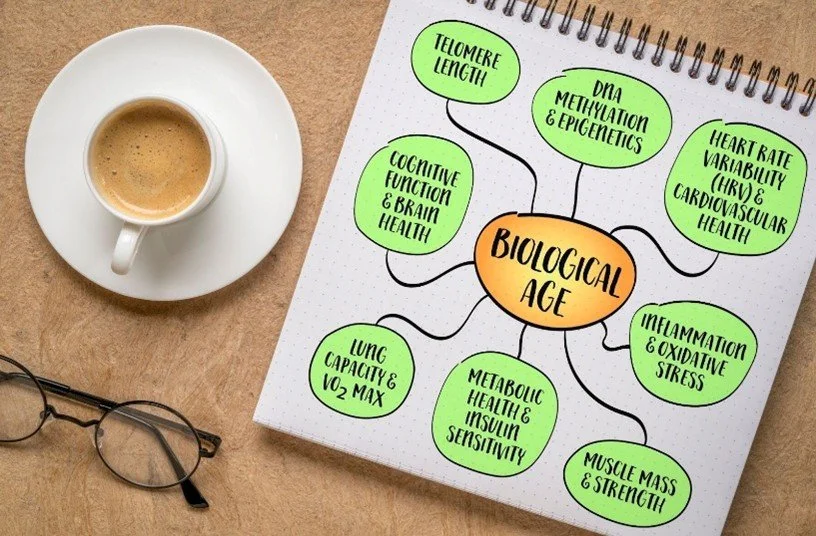
In this FAQ, Dr. Jessica Knape of HealthSpan Internal Medicine in Boulder, CO, explains “inflammaging”—chronic, low-grade inflammation that accelerates aging, damages tissues, and contributes to brain fog and memory decline. She highlights how identifying and reducing this inflammation can help preserve energy, cognition, and overall longevity.
The term “inflammaging” describes the chronic, low-grade inflammation that builds up as we get older, quietly damaging cells, blood vessels, and brain tissue.
It’s one of the main reasons why some people age vibrantly, while others experience fatigue, joint pain, brain fog, or memory decline decades earlier.
At HealthSpan Internal Medicine in Boulder, CO, we see inflammaging as the metabolic engine behind accelerated aging — and one of the most reversible.
By identifying and calming this slow-burning inflammation, we can preserve energy, cognition, and longevity.
HealthSpan Insight
Inflammaging = chronic, body-wide inflammation that accelerates aging.
It damages mitochondria, blood vessels, and neurons — driving fatigue and cognitive decline.
Reducing inflammaging improves brain clarity, energy, and resilience at every age.
1. What Exactly Is Inflammaging?
“Inflammaging” is a blend of the words inflammation and aging, coined by Italian immunologist Claudio Franceschi in the early 2000s.
It refers to the persistent activation of the immune system — even without infection or injury — that increases with age.
This silent inflammation produces a steady stream of inflammatory molecules (like IL-6, TNF-α, and CRP), damaging tissues over time.
It’s not the intense inflammation of an infection or injury — it’s a low-level fire that never fully goes out.
2. What Causes Inflammaging?
Several interconnected processes drive inflammaging:
A. Cellular Senescence
Old or “senescent” cells stop dividing but don’t die.
They release inflammatory chemicals known as the senescence-associated secretory phenotype (SASP), which irritate nearby tissues.
B. Mitochondrial Decline
Damaged mitochondria leak free radicals and signal the immune system to attack, triggering inflammation.
C. Leaky Gut and Microbiome Imbalance
With age or stress, the intestinal barrier weakens, allowing bacterial fragments (like LPS) into the bloodstream.
The immune system recognizes these as invaders and stays activated.
D. Metabolic Stress
High blood sugar, insulin resistance, and visceral fat all increase inflammatory cytokines and oxidative stress.
E. Chronic Infections and Environmental Toxins
Viral reactivation (like Epstein–Barr or herpes viruses), mold exposure, or pollutants can chronically irritate the immune system.
F. Hormone Decline
Lower estrogen, testosterone, and DHEA remove the natural anti-inflammatory protection these hormones provide.
The result: a smoldering state of immune activation that affects every organ — especially the brain.
3. How Inflammaging Damages the Brain
The brain is especially vulnerable to inflammation.
Even mild systemic inflammation can disrupt the blood–brain barrier (BBB) — the brain’s protective filter — allowing immune molecules and toxins to enter.
Inside the brain, this triggers microglial activation — the brain’s own immune cells.
When microglia are constantly “on,” they:
Damage neurons
Impair synaptic communication
Reduce neurogenesis (new brain cell growth)
Disrupt sleep and memory formation
Over time, this chronic neuroinflammation contributes to:
Brain fog and fatigue
Anxiety and depression
Cognitive slowing
Alzheimer’s and Parkinson’s disease
MRI and PET imaging now show that neuroinflammation can be detected years before symptoms of dementia appear — making inflammaging a key early target for prevention.
4. Signs You May Be Experiencing Inflammaging
Persistent fatigue or low energy
Brain fog or difficulty concentrating
Joint stiffness or muscle soreness
Poor sleep or non-restorative rest
Weight gain (especially belly fat)
Low mood, anxiety, or irritability
Elevated CRP, IL-6, or ESR on bloodwork
These are early warning signs that inflammation may be outpacing your body’s ability to repair.
5. The Link Between Inflammaging and “Type 3 Diabetes”
The same metabolic dysfunction that causes insulin resistance in the body also affects the brain.
This condition — sometimes called “Type 3 Diabetes” — reflects insulin resistance in neurons.
Inflammation worsens insulin resistance, starving neurons of glucose and slowing mitochondrial activity.
This is one reason chronic inflammation and metabolic syndrome so often accompany cognitive decline and Alzheimer’s disease.
6. How Hormones Help Buffer Inflammaging
Healthy hormone balance plays a crucial role in calming chronic inflammation:
Estrogen and testosterone reduce cytokine production and protect blood vessels.
Progesterone and DHEA suppress microglial activation.
Thyroid hormone supports mitochondrial repair.
Cortisol — in balanced amounts — keeps the immune system from overreacting.
When hormones decline with age, this anti-inflammatory protection fades, making the body more reactive and the brain more vulnerable.
7. Reversing Inflammaging: What Really Works
At HealthSpan, we focus on five key strategies to lower inflammation and protect the brain:
A. Optimize the Gut–Brain Axis
Eat anti-inflammatory foods: wild fish, berries, olive oil, leafy greens.
Add prebiotic fiber (inulin, resistant starch) to feed beneficial gut bacteria.
Limit processed foods, seed oils, and refined carbs.
Address infections or dysbiosis if present.
B. Support Mitochondria and Detox Pathways
Use nutrients like CoQ10, alpha-lipoic acid, NAC, and magnesium.
Prioritize deep sleep to activate the glymphatic system.
Hydrate well — dehydration concentrates inflammatory molecules.
C. Restore Hormonal Balance
Test and optimize thyroid, cortisol, DHEA, and sex hormones.
Use bioidentical hormone therapy when appropriate to restore anti-inflammatory protection.
D. Move Often, Breathe Deeply
Exercise reduces cytokines and improves mitochondrial function.
Even gentle movement (like walking, yoga, or strength training) helps “flush” inflammation from tissues.
E. Calm the Nervous System
Practice slow breathing, humming, or meditation to activate the vagus nerve.
Prioritize emotional connection and community — isolation fuels inflammation.
8. Key Nutrients and Natural Compounds for Anti-Inflammaging
Omega-3 fatty acids (EPA/DHA) — reduce microglial activation.
Curcumin — downregulates NF-κB, a key inflammatory switch.
Resveratrol — activates longevity genes (sirtuins).
Sulforaphane (from broccoli sprouts) — boosts detox and antioxidant enzymes.
Vitamin D — modulates immune balance and brain health.
Magnesium and zinc — support mitochondrial stability.
These nutrients don’t replace medical care, but they form the foundation of long-term inflammatory control.
9. Can You Measure Inflammaging?
Yes — we can measure its presence and progress.
Common biomarkers include:
hs-CRP (C-reactive protein)
IL-6, TNF-α
ESR (erythrocyte sedimentation rate)
Homocysteine
Fasting insulin and HbA1c
Omega-3 Index
Advanced panels can also assess oxidative stress, mitochondrial health, and senescent cell load.
Tracking these markers allows us to see real progress as inflammation decreases.
Bottom Line
Inflammaging is the invisible fuel behind most age-related diseases — from arthritis to dementia.
It’s not inevitable, but it thrives in a body that’s overworked, undernourished, and unbalanced.
By restoring hormone balance, repairing the gut, supporting mitochondria, and calming the nervous system, you can dramatically slow the inflammatory clock.
At HealthSpan Internal Medicine in Boulder, CO, we help patients identify and reverse inflammaging through personalized lab testing, targeted nutrition, and restorative therapies — protecting both lifespan and Brainspan.
Chronic inflammation isn’t just “normal aging”—and you can do something about it.
Schedule a Brain & Inflammation Evaluation with Dr. Knape to uncover the metabolic, immune, and hormonal drivers of inflammaging and create a personalized plan for long-term brain resilience.
👉 Book your Discovery Call today.
Sources
🔥 Inflammaging: Chronic Inflammation and Age-Related Disease
Franceschi C & Campisi J, Nature Reviews Immunology, 2014 — PMC
Seminal paper defining inflammaging as chronic, age-related inflammation driven by immune dysregulation, mitochondrial dysfunction, and cellular senescence. Forms the foundation for understanding aging-related brain inflammation.
Link: https://pmc.ncbi.nlm.nih.gov/articles/PMC4244303/
🧠 Neuroinflammation, Aging & Cognitive Decline
Barrientos RM et al., Nature Reviews Neuroscience, 2015 — PMC
Shows how age-related systemic inflammation directly affects brain microglia, synaptic plasticity, and memory. Strong evidence that inflammaging is a driving factor in cognitive impairment and dementia.
Link: https://pmc.ncbi.nlm.nih.gov/articles/PMC4620090/
🧬 The Role of Inflammation in Alzheimer’s Disease & Brain Aging
Kinney JW et al., Journal of Neuroinflammation, 2018 — PMC
Comprehensive review detailing how inflammaging contributes to Alzheimer’s pathology through cytokines, microglial priming, oxidative stress, and impaired clearance of amyloid and tau.
Link: https://pmc.ncbi.nlm.nih.gov/articles/PMC5818243/
⚡ Metabolic Dysfunction, Inflammaging & Cognitive Impairment
Jakobsen LH et al., Frontiers in Aging Neuroscience, 2021 — PMC
Demonstrates how insulin resistance, mitochondrial strain, and metabolic dysregulation amplify inflammaging and accelerate brain aging and cognitive decline.
Link: https://pmc.ncbi.nlm.nih.gov/articles/PMC7964232/
🌿 The Gut–Brain Axis and Inflammaging
Penza V et al., Cells, 2020 — PMC
Explains how gut dysbiosis, intestinal permeability, and microbial metabolites contribute to systemic inflammation and inflammaging, influencing cognition and neurodegeneration.
Link: https://pmc.ncbi.nlm.nih.gov/articles/PMC7762038/
Medically reviewed by
Dr. Jessica Knape, MD, MA Board Certified in Internal Medicine and Integrative and Holistic Medicine
Healthspan Internal Medicine — serving patients in Boulder, CO
Book a Discovery Call | About Dr. Knape
This content is for educational purposes and does not replace personalized medical advice.
